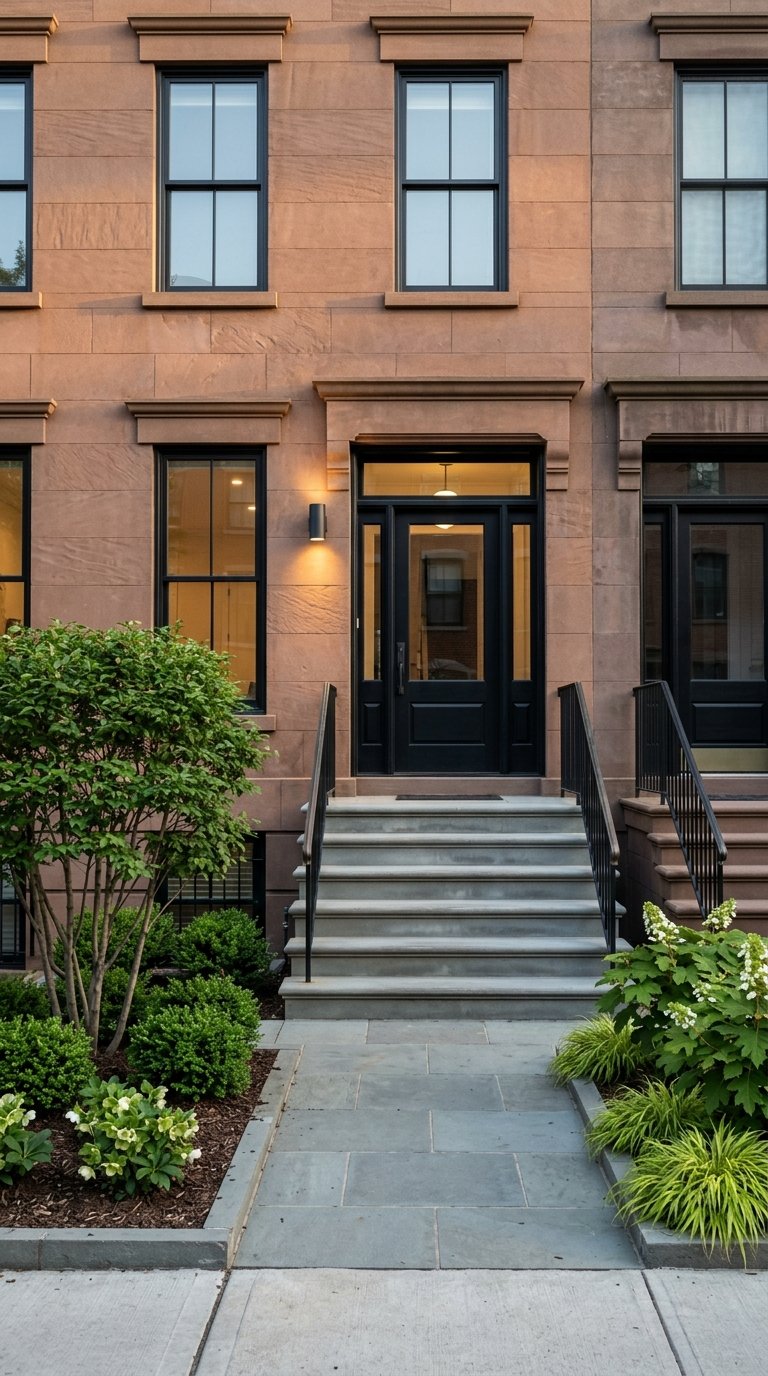
Single-Family Or Townhouse Living In Nassau County
If you are deciding between a single-family home and a townhouse in Nassau County, the right answer is usually not about style alone. It comes down to your monthly carrying costs, your tolerance for upkeep, and how much flexibility you want later when it is time to sell. In a market where prices are high and homes are moving relatively quickly, a clear decision now can save you time, money, and stress later. Let’s dive in.
Nassau County remains a high-cost, seller-leaning market. Realtor.com’s spring 2026 snapshot shows a median listing price of $899,000, median days on market of 37, and about 3,434 active homes for sale countywide. Redfin’s March 2026 data shows a median sale price of $800,000, median days on market of 46, and a sale-to-list ratio of 100.3%.
That matters because your housing choice needs to work both now and over time. Redfin also estimates Nassau County’s overall cost of living at 49% above the national average, so the better question is not just “What can you afford to buy?” but “What can you comfortably carry each month?”
At the moment, detached housing is far more common in Nassau County than townhouse inventory. In a captured Realtor.com search, Nassau County showed roughly 3,434 active single-family listings versus 1 townhome listing.
That is only a snapshot, not a permanent rule, but it tells you something important. If you want a townhouse-style home in Nassau, your options may be more limited, and the legal setup may matter as much as the layout.
A single-family home usually gives you more control over the property. You are typically responsible for your own exterior, systems, yard, and repairs, which can be a plus if you want independence and fewer shared rules.
That same independence also means more direct costs. You should budget for property taxes, insurance, utilities, repairs, maintenance, and a reserve for larger surprise items like roofing or exterior work.
In Nassau County, reserve planning is especially important because total ownership costs can add up quickly. A lower monthly fee structure compared with some attached housing may be offset by larger repair bills that land directly on you.
A townhouse can look and feel very different from one property to the next. HUD describes townhouses as horizontally attached dwellings, which helps explain why they often feel more compact and less isolated than detached homes.
In New York, the word “townhouse” does not automatically tell you the ownership structure. A townhouse may be part of a homeowners association or a condominium setup, and that changes what you own, what you share, and what rules apply.
The New York Attorney General notes that HOAs can govern communities of homes, town homes, or condominium units. Condo ownership also means you own your unit while sharing an undivided interest in common elements.
When you compare a single-family home with a townhouse in Nassau County, the deed and offering plan matter more than the label. New York Attorney General rules require disclosures about maintenance obligations, common charges, parking limits, and use restrictions.
That means two townhouse-style homes can come with very different responsibilities. One may include shared roads, sidewalks, drainage systems, or retaining walls as common elements, while another may place more responsibility directly on the owner.
Before you focus on finishes or square footage, make sure you understand:
In Nassau County, the biggest financial difference is often not the purchase price. It is the full monthly carrying cost.
For a single-family home, your recurring costs typically include:
For a townhouse in an HOA or condo structure, you may still have many of those same costs, but you could also have separate dues or common charges. The CFPB says HOA or condo dues are usually paid separately from the mortgage and can range from a few hundred dollars a month to more than $1,000.
Those fees may cover some shared expenses, but not always everything. New York condominium disclosures show that budgets can include items such as roofing, exterior repairs, plumbing, electrical work, exterminating, grounds maintenance, and insurance, while some utilities may still be billed directly to unit owners.
Property taxes in Nassau County can be more layered than many buyers expect. The county assesses each parcel, and taxes may reflect a mix of county, town, village, school, library, and special-district levies depending on the address.
Nassau’s Class One assessment category includes one-, two-, and three-family homes and residential condos of three stories or less. That means both detached homes and some townhouse-style properties may fall into similar assessment categories, but the exact tax picture still depends on the specific property.
If the home will be your primary residence, New York’s STAR program may reduce school taxes. The state says new homeowners should register once the home becomes their primary residence, so that is worth building into your post-closing checklist.
A single-family home usually gives you more freedom, but also more responsibility. If a fence leans, a gutter fails, or the roof needs work, the problem and the bill are generally yours.
A townhouse in a shared community can shift some of that burden, but only if the governing documents say so. You need to verify what the HOA or condo handles and what remains your responsibility, because assumptions here can get expensive fast.
A practical way to think about it is this:
| Home Type | Typical Advantage | Typical Trade-Off |
|---|---|---|
| Single-family | More control and privacy | More direct maintenance responsibility |
| Townhouse | Potentially shared upkeep | Fees, rules, and shared-element limitations |
Parking is another area where townhouse buyers need to slow down and verify details. New York Attorney General rules require offering plans to address ancillary spaces such as parking and disclose limitations tied to common elements and parking facilities.
In plain terms, a townhouse may come with a private garage, an assigned spot, a shared lot, or tighter usage rules than you expected. Do not rely on marketing language alone. The documents tell you what actually comes with the property.
In today’s Nassau County market, resale value is closely tied to carrying cost. Buyers are not just comparing bedroom count and square footage. They are also comparing taxes, fees, parking, restrictions, and expected upkeep.
Because the attached-home segment appears much more niche than detached housing right now, the details of a townhouse matter even more at resale. Fees, occupancy restrictions, and parking rules can influence buyer demand, even if the home itself shows well.
Single-family homes may appeal to a broader pool of buyers simply because there are more of them in the local market and buyers understand the format. That does not make a townhouse a weaker choice. It just means you should evaluate resale through the lens of total cost and market fit, not just convenience.
Your expected hold time should shape the decision. The CFPB notes that buying and selling are expensive because fees, taxes, and commissions add up, so a home that works for only a very short period may cost you more than expected.
If you expect to stay put longer and want direct control, a single-family home may line up better with your goals. If you want a more structured ownership setup and are comfortable reviewing fees and governing documents carefully, a townhouse may be a better fit.
The best choice is usually the one that matches three things:
When you are evaluating options, keep the process simple and disciplined. Look beyond the listing photos and compare each property the same way.
Use this checklist:
In Nassau County, single-family homes usually offer more independence, while townhouses can offer a different maintenance and ownership structure. Neither option is automatically better. The right choice depends on how you want to live, what you want to spend each month, and how easy you want your next move to be.
In a market where homes are selling close to asking and carrying costs matter, clarity beats guesswork. If you want help comparing the real numbers behind a single-family home versus a townhouse in Nassau County, Darren Desrameaux can help you evaluate the options and move with confidence.
Stay up to date on the latest real estate trends.
Looking for a passionate agent or a new opportunity? Let’s work together. Whether you're a client or a future agent—Darren is ready to help you grow.