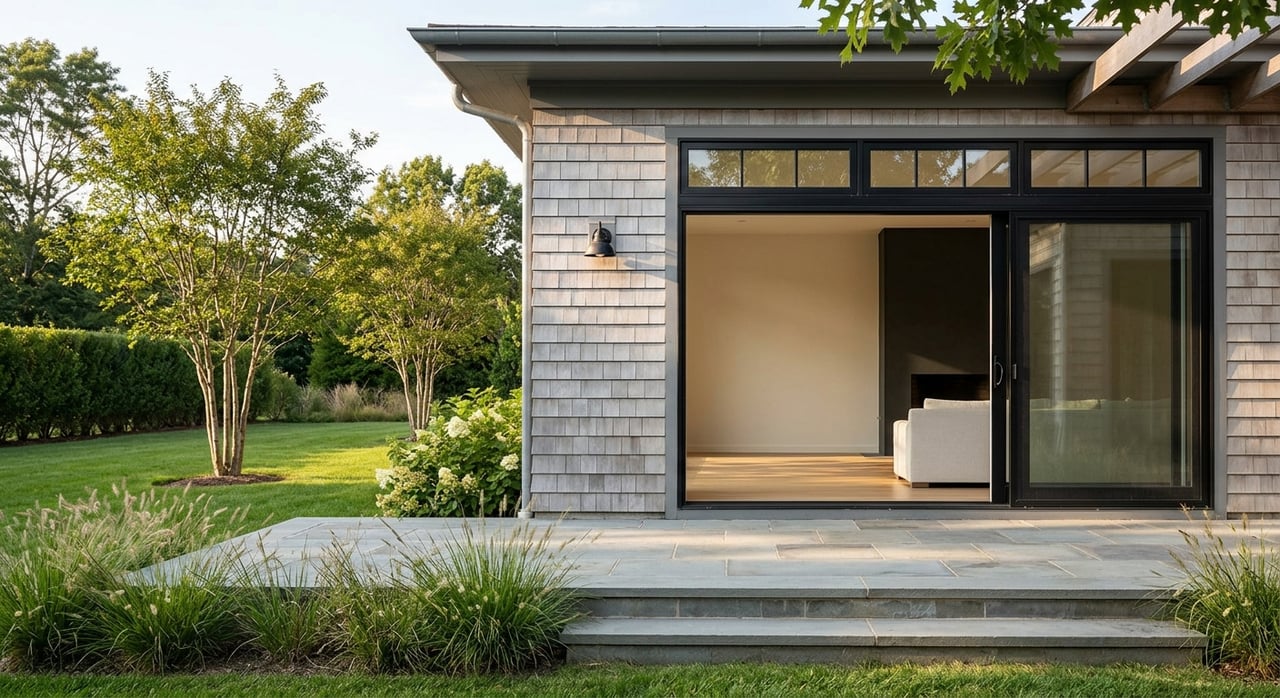
Waterfront And Inland Living In Suffolk County
Wondering whether Suffolk County makes more sense on the water or farther inland? It is a smart question, especially in a county with about 980 miles of coastline, a wide range of home prices, and very different ownership costs depending on where you buy. If you are comparing places like New Suffolk with more inland parts of Suffolk, this guide will help you weigh lifestyle, flood exposure, commute fit, wastewater setup, and long-term upkeep so you can make a more confident move. Let’s dive in.
Suffolk County stretches about 86 miles from the Nassau border to Montauk Point, and its east end splits into the North Fork and South Fork. That geography creates a lot of variety, but for most buyers, the real choice is not just scenic versus practical. It is how access, exposure, and carrying costs line up with your day-to-day life.
Countywide, the housing stock is still largely detached single-family and owner-occupied. At the same time, planning documents note growing demand for smaller homes, rentals, and multifamily options near jobs and transit. That means your waterfront versus inland decision is also tied to what kind of housing you want and how flexible you need your budget to be.
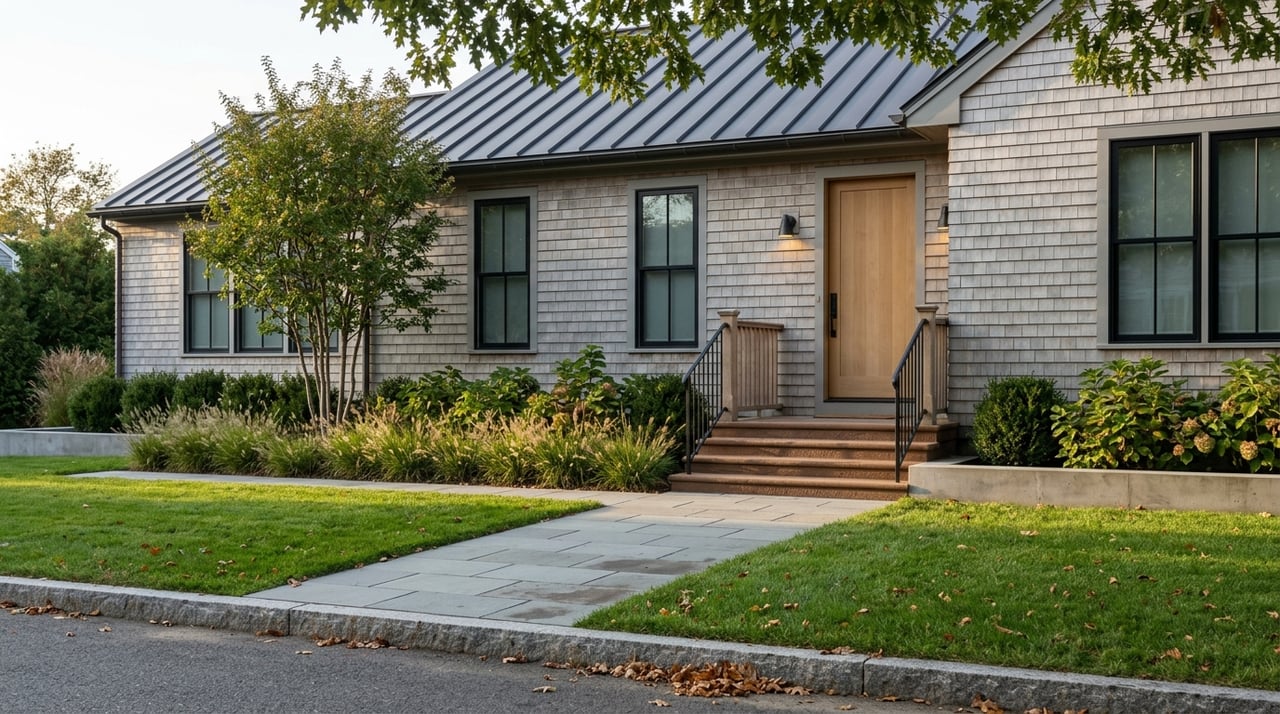
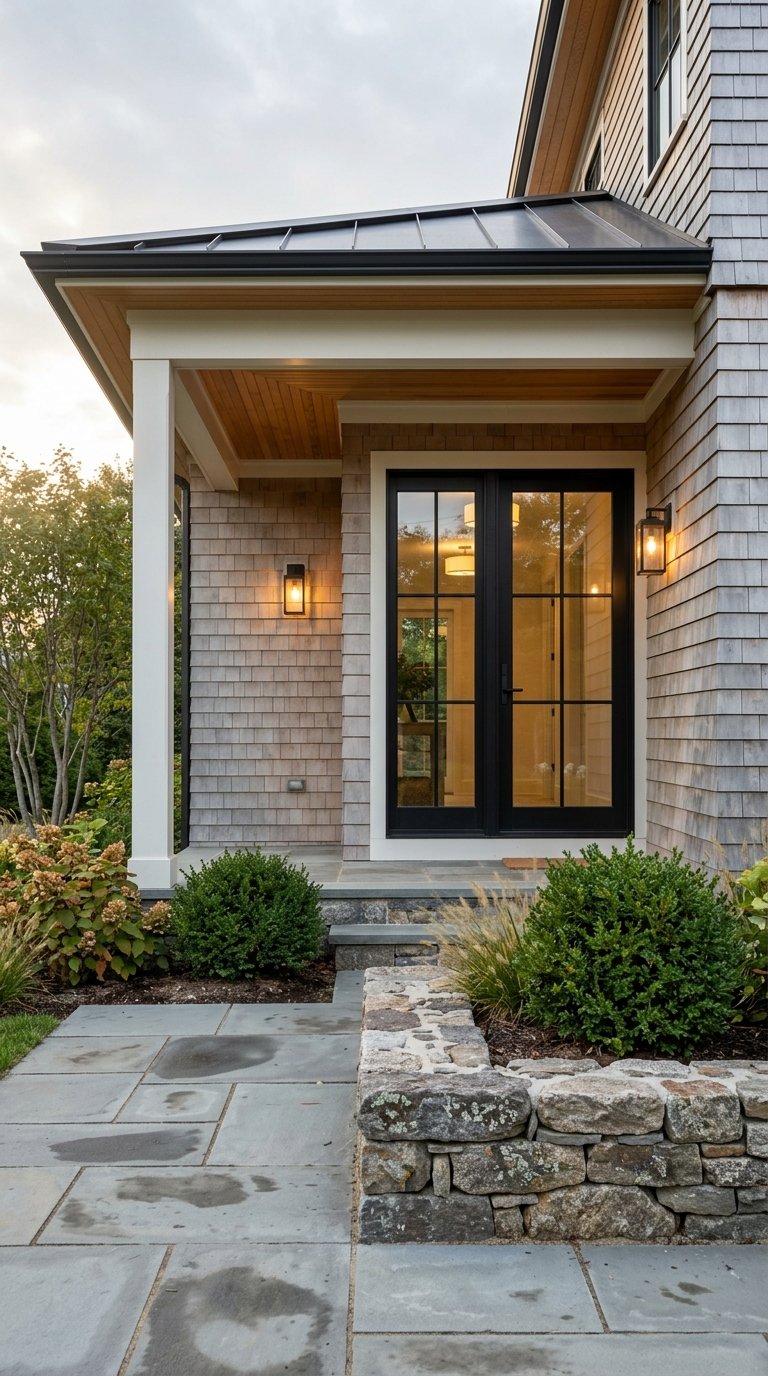
New Suffolk is a useful example of North Fork waterfront living. Southold describes it as a planned waterfront hamlet on Peconic Bay with a long port history and a summer tourist trade. If you want direct connection to the shoreline, boating access, and a setting shaped by the water, this kind of community can be very appealing.
More broadly, Suffolk County promotes beaches, boat launches, and coastal marshes as part of its lifestyle. For many buyers, that translates into daily visual access to the water, easier recreation, and a setting that feels tied to the coast in a real way.
Waterfront homes often offer direct water access, but they also come with more flood and maintenance exposure. FEMA flood maps identify Special Flood Hazard Areas as places with at least a 1% annual chance of flooding and about a 26% chance over a 30-year mortgage. In a market like Suffolk, that is not a detail to leave for later in the process.
Suffolk County planning documents add more context. The county says all of its coastline falls within the 100-year floodplain, many South Shore coastal areas fall within the 500-year floodplain, and coastal communities also face erosion hazards. For you as a buyer, that means the real waterfront question is not just, “Do I want the view?” It is also, “Am I comfortable with the insurance, risk, and upkeep that come with it?”
Waterfront ownership can also mean more permitting considerations. New York State says work involving docks, piers, wharves, bulkheads, seawalls, breakwaters, and similar shoreline features may require a Coastal Erosion Management Permit, and tidal wetlands rules can also apply near the shore.
In practical terms, even routine-looking exterior work may require more planning than you expect. If a property includes shoreline structures or sits near regulated coastal features, you should ask early about prior permits, current conditions, and what future improvements may involve.
Inland and more central or western parts of Suffolk often appeal to buyers who want simpler day-to-day routines and less shoreline exposure. That does not mean every inland home is the same. It means many inland options reduce the flood and coastal maintenance issues that can shape waterfront ownership.
For some buyers, that tradeoff matters more than a water view. If your priority is getting to work, managing a family schedule, or staying focused on a predictable monthly housing budget, inland locations can feel more straightforward.
Suffolk County planning emphasizes mixed-use and multifamily housing near Long Island Rail Road stations, and the MTA says the LIRR serves 126 stations across Nassau and Suffolk Counties. Most branches connect through Jamaica for access toward Manhattan, which gives some inland areas a clear advantage for rail commuters.
Still, Suffolk remains heavily car-based. County mobility data found that 79.3% of workers drove alone, while 6.4% used public transportation, and the county’s more recent QuickFacts show an average travel time to work of 31.1 minutes. So when you compare inland areas, the key is to match the home to your real weekly routine, not just the map.
Inland housing is not one single style or price point. Suffolk County planning documents point to a need for more affordable rentals, smaller homes, and multifamily choices, and they identify places like Riverhead, Smithtown, and Riverside as examples where transit-oriented or mixed-use patterns are being encouraged.
That matters if you want more options. Inland areas may give you a broader mix of housing types and fewer coastal restrictions, even though you still need to evaluate commute time, sewer or septic setup, and local price context.
One of the biggest mistakes buyers make is treating Suffolk County like one uniform market. It is not. The county’s median owner-occupied home value is $539,500, but representative town medians vary widely, from $459,200 in Brookhaven and $486,600 in Riverhead to $859,300 in Southold, $928,100 in Southampton, and $1,074,000 in East Hampton.
That spread matters when you compare waterfront and inland living. In many cases, the premium is not only for location near the water. It can also reflect town-level pricing, scarcity, carrying costs, and the type of housing available in that area.
The strongest way to compare these options is to separate lifestyle from ownership cost. A beautiful waterfront property may still be the wrong fit if flood insurance, erosion concerns, and permit-sensitive repairs stretch your comfort level. An inland property may look less dramatic at first, but it could fit your budget and routine much better over time.
This is where a practical review matters. You want to know what the home will actually require from you, financially and logistically, after the closing is done.
Use this framework when you compare listings:
This applies to both waterfront and inland homes. Suffolk County says its wastewater strategy is moving away from conventional cesspools and septic systems because of nitrogen pollution that affects local bays. So even if you choose an inland property to avoid coastal issues, you still need to verify the home’s wastewater setup.
For many buyers, this is one of the most important practical checks in the entire process. Sewer versus septic can affect maintenance, replacement planning, and long-term costs.
If you are drawn to New Suffolk or other waterfront areas, you may value water access, coastal character, and a setting that feels closely tied to the shoreline. That can be a great fit if you are comfortable doing deeper due diligence on flood exposure, insurance, site conditions, and permits.
If you are leaning inland, you may be prioritizing daily efficiency, broader housing choice, and fewer shoreline-related complications. That can be the better move if you want clearer commute planning, less coastal regulation, and a property that is easier to evaluate from an ownership-cost perspective.
The right answer usually comes down to how you live. In Suffolk County, flood risk, wastewater setup, commute fit, and price context often matter more than cosmetic differences between two homes.
If you want a clear, numbers-driven way to compare Suffolk County options, Darren Desrameaux can help you evaluate the tradeoffs, move efficiently, and make a decision you feel good about at closing.
Stay up to date on the latest real estate trends.

Looking for a passionate agent or a new opportunity? Let’s work together. Whether you're a client or a future agent—Darren is ready to help you grow.