Leave a Message

By providing your contact information to Darren Desrameaux, your personal information will be processed in accordance with Darren Desrameaux's Privacy Policy. By checking the box(es) below, you consent to receive communications regarding your real estate inquiries and related marketing and promotional updates in the manner selected by you. For SMS text messages, message frequency varies. Message and data rates may apply. You may opt out of receiving further communications from Darren Desrameaux at any time. To opt out of receiving SMS text messages, reply STOP to unsubscribe.

Thank you for your message. I will be in touch with you shortly.

Steps To Prepare Your Nassau County Home for a Faster Sale

Selling in Nassau County can move fast when you prepare with intention. If you want fewer surprises, stronger offers, and a shorter time on market, a little upfront work goes a long way. You might be juggling a move, work, and family, so you need a clear, local plan that actually saves time. In this guide, you’ll learn the exact steps that speed up sales across Long Island, from required New York disclosures to staging and pricing. Let’s dive in.

Know the Nassau County market

Nassau County is a high-demand Long Island market, supported by NYC access, commuter routes, and established neighborhoods. County-level medians often sit in the 800k range depending on the data source, and days to offer can vary by price point and town. Your condition and pricing will influence your timeline more than anything else.

Use recent closed and active comparables from the regional listing service to set expectations. OneKey MLS is the primary MLS for Nassau County and the best source for accurate, local comps that reflect real buyer activity. You can learn more about the regional coverage on the MLS’s site under OneKey MLS — About.

Nassau County property taxes are a key part of buyer decision-making. While exact bills vary by property and district, county tax levels are among the higher medians nationally. For context on how taxes are structured, review the county snapshot from PropertyShark’s Nassau County property tax overview. Always verify your specific bill with the assessor.

Tackle mandatory disclosures first

Complete the NY Property Condition Disclosure

New York expanded the Property Condition Disclosure Statement (PCDS) in 2023. The update added flood and mold history questions and removed the old $500 opt-out credit. Deliver the completed PCDS to buyers before they sign a binding contract to avoid delays and reduce risk. Review the statutory changes on the New York Senate’s S5400 bill page.

Handle federal lead-based paint rules

If your home was built before 1978, federal law requires you to disclose known lead-based paint information, provide the EPA pamphlet, and offer buyers a 10-day period to conduct a lead test. The HUD fact sheet explains the requirements clearly. Share the details found in the HUD Lead-Based Paint Disclosure Rule fact sheet with your attorney and agent.

Prepare flood history details

The updated PCDS includes questions on flood zones, insurance, prior claims, and FEMA assistance. If your home sits in a coastal or low-lying area, pull any flood insurance records and check local maps so you can respond accurately. See the flood-related language on S5400.

Gather permits, COs, and building records

Many Nassau towns and villages require certificates of occupancy and permits for additions and alterations. Missing permits can stall closings. Start by collecting prior permits, final sign-offs, surveys, and any documentation for major work. If you are unsure, contact your town or village building department early.

Condo, co-op, and HOA documents

  • Co-ops typically require a full board package, application forms, fees, and financials. Processing time can extend your timeline, so order management documents early.
  • Condos and HOAs often provide bylaws, financial statements, meeting minutes, and resale certificates or estoppels. Ask your managing agent about standard resale requirements.

Get a pre-list inspection and fix what matters

Why a seller inspection saves time

A pre-list home inspection surfaces issues before buyers do. You choose whether to repair or price accordingly, which reduces renegotiations after the buyer’s inspection. For a quick primer on the process, review this overview of a seller-side inspection workflow. Many sellers plan around 300 to 500 dollars for a general inspection, with added time and cost for any specialized tests. A consumer checklist like this home inspection guide can help you anticipate common findings.

Prioritize repairs by impact

Fixing the right items first removes the red flags that slow deals. Use this order:

  1. Safety and code issues: electrical hazards, gas leaks, missing smoke and CO detectors.
  2. Water intrusion and drainage: roof leaks, foundation concerns, active plumbing leaks.
  3. Major systems: roof age, HVAC performance, and water heater condition. If replacement is likely, disclose it and price accordingly.
  4. Cosmetic punch-list: neutral paint, flooring touchups, fresh caulk and grout. Small, clean finishes boost first impressions.
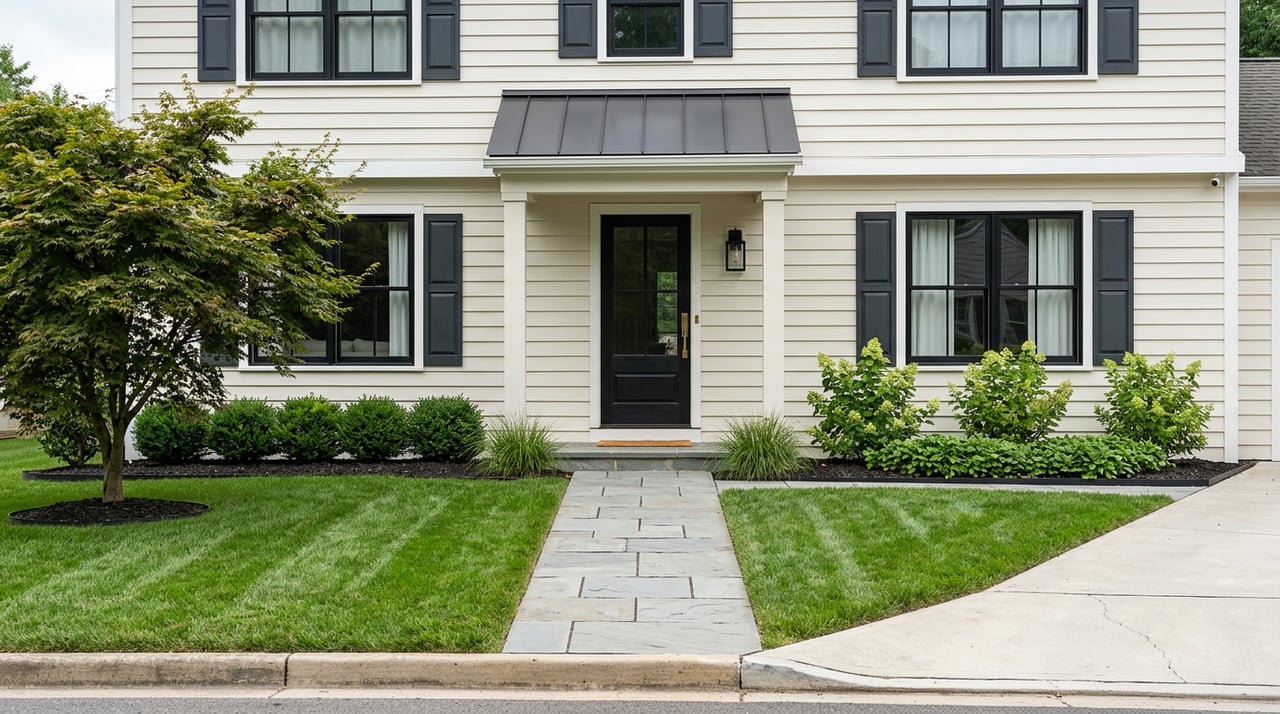
  5. Curb appeal: tidy landscaping, visible house numbers, and a clean, welcoming front door. NAR’s remodeling research shows small exterior improvements often deliver outsized returns; see the Remodeling Impact Report for context.

Consider Long Island-specific tests

Depending on age, location, and utilities, discuss these with your agent and inspector:

  • Termite and wood-destroying organism inspection.
  • Radon test.
  • Sewer scope on older homes, or septic inspection if not sewer-connected.
  • Oil-tank documentation if your home used fuel oil. Confirm removal records or status.

Declutter, stage, and photograph for speed

Staging helps buyers visualize how they will live in the home. National survey data shows nearly half of listing agents reported staging shortened time on market, and roughly one in five saw offers increase by 1 to 5 percent. Focus your effort on the living room, primary bedroom, and kitchen, which influence buyers the most. The median spend reported for staging services was about 600 dollars in the NAR survey, though Long Island vendors can run higher. You can review the data in the NAR Profile of Home Staging.

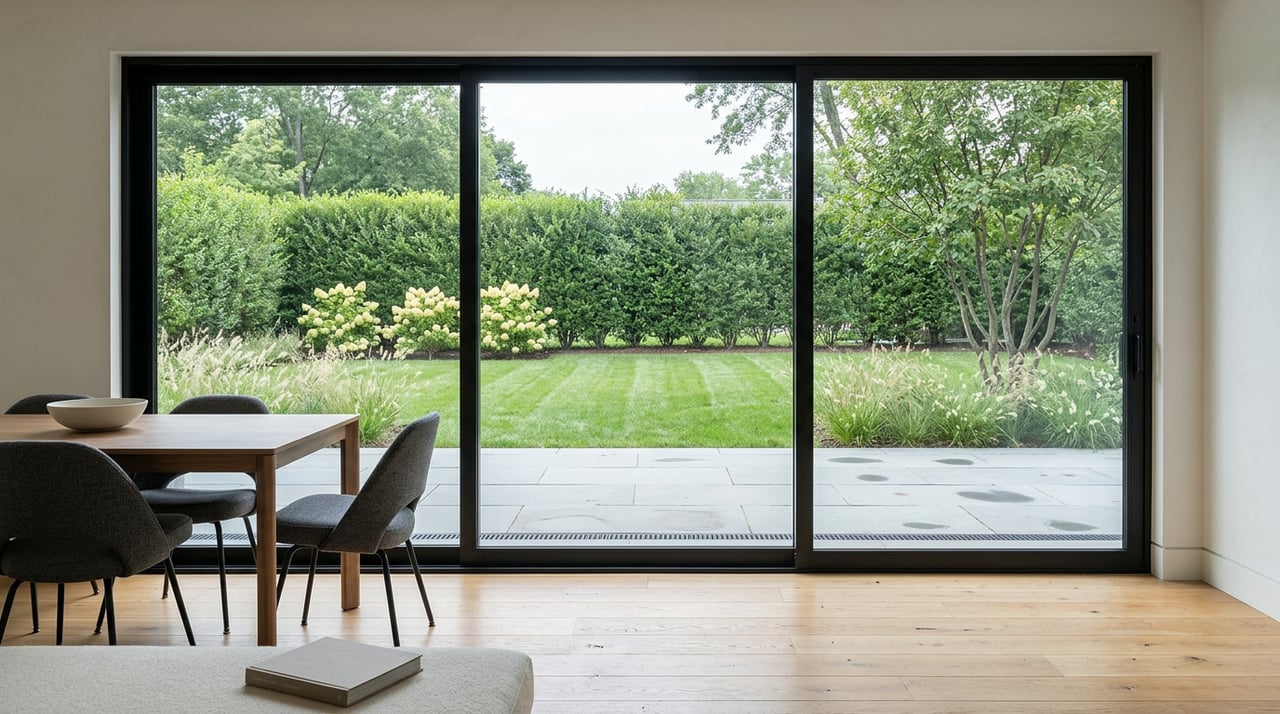
Declutter by pre-packing and removing heavy personal photos. Aim for clean surfaces and simple decor so rooms feel larger. When the home is show-ready, book professional photography and include a floor plan. Listings with high-quality photos and layouts typically draw more views and faster showings.

Price to market and plan your launch

Use the most recent closed sales and competing actives in your neighborhood to set a sharp price. Pull this data from OneKey MLS, which serves Nassau County and provides the most reliable view of local demand. Learn about MLS coverage on the OneKey MLS About page.

Consider a short coming-soon period to finish repairs and staging before full exposure. Then launch with complete disclosures, a polished photo set, a floor plan, and a clear description that highlights recent maintenance, commute options, and energy or system upgrades.

Plan for showings with a simple checklist:

  • Lights on, blinds adjusted, comfortable thermostat setting.
  • Pets secured and odors neutralized.
  • Paperwork folder visible with the PCDS, lead-based paint pamphlet if applicable, and any permits or warranties.
  • Leave 15 to 30 minutes before each showing to give buyers space.

Offer incentives only if they solve a buyer hesitation, such as a limited home warranty or flexible closing. The right terms can keep offers clean and timelines tight.

A 4-week prep timeline

  • 4 to 6 weeks before listing: Order a pre-list inspection, gather permits, tax bills, surveys, warranties, and co-op or condo documents as needed. See the inspection overview from Stonebriar’s process explainer.
  • 2 to 4 weeks before listing: Complete safety and water-related repairs, deep clean, declutter, and schedule staging and photography. NAR’s staging report is useful for prioritizing rooms.
  • Listing week: Final polish, professional photos and floor plan, accurate pricing based on OneKey MLS comps, and a strong listing description. Confirm MLS coverage on OneKey MLS.
  • Showings and negotiation: Provide the PCDS and lead-based paint documents quickly, and be ready with your repair receipts or inspection summary to maintain momentum.

Quick seller checklist

  • Confirm your town or village and whether you are on sewer or septic.
  • Order a pre-list general home inspection. Use a seller inspection overview to plan timing.
  • Complete the New York PCDS, and prepare the federal lead-based paint disclosure for pre-1978 homes. Review S5400’s requirements and the HUD fact sheet.
  • Fix safety and code items first, then water and roof issues.
  • Knock out high-impact cosmetic touchups and curb appeal. For ROI context, see the Remodeling Impact Report.
  • Stage the living room, primary bedroom, and kitchen. Use the NAR staging profile to guide scope and budget.
  • Hire a professional photographer and include a floor plan.
  • Price using recent OneKey MLS comps and prepare a show-ready routine. Check MLS background on OneKey MLS.

Ready to sell faster in Nassau County?

You do not need a flashy overhaul to sell well in this market. You need a clear plan, clean disclosures, sharp pricing, and smart presentation. If you want a results-driven launch and a tight closing timeline, connect with a local team that values execution and communication.

If you are weighing next steps, schedule a free strategy call with Darren Desrameaux. You will get a practical prep plan, MLS-backed pricing, and a marketing rollout built to move your sale forward with fewer surprises.

FAQs

How long does it take to sell a home in Nassau County?

  • Timelines vary by condition and pricing, but many homes go to contract within several weeks. Your preparation, disclosures, and accurate pricing will do more to shorten days on market than cosmetic changes alone.

Do I have to complete New York’s Property Condition Disclosure?

  • Yes. New York updated the PCDS in 2023, removed the $500 opt-out, and added flood and mold questions. Deliver it before a buyer signs a binding contract. See the S5400 bill summary.

What are the lead-based paint rules for older homes?

  • For most homes built before 1978, you must disclose known information, provide the EPA pamphlet, and allow buyers a 10-day test window. Details are in the HUD fact sheet.

Is staging worth it in Nassau County?

  • National data shows staging often shortens time on market and can lift offers modestly. Prioritize the living room, primary bedroom, and kitchen, and keep the scope efficient. See NAR’s staging profile.

Should I get a pre-list home inspection?

  • Yes. A seller inspection identifies issues early, letting you repair or price accordingly and reducing renegotiations. A general inspection often costs about 300 to 500 dollars, plus any specialized testing. Use this inspection checklist to prepare.

What paperwork should condo or co-op sellers gather?

  • Request your building’s resale package early. Co-ops typically need full board applications and fees; condos and HOAs provide bylaws, financials, meeting minutes, and a resale certificate or estoppel. Having these ready helps you close on time.

Work With Darren

Looking for a passionate agent or a new opportunity? Let’s work together. Whether you're a client or a future agent—Darren is ready to help you grow.