How Brooklyn Brownstone Renovations Impact Resale Value
Thinking about renovating your Brooklyn brownstone but not sure which projects will actually pay off when you sell? You are not alone. In neighborhoods like Bedford–Stuyvesant, Fort Greene, and Carroll Gardens, buyers love historic charm but expect safe, legal, and move-in-ready homes. This guide shows you which upgrades add the most value, what permits you need, how to avoid costly mistakes, and the steps buyers and sellers should take to protect resale value. Let’s dive in.
Brooklyn brownstones remain a scarce, high-demand property type. Homes marketed as turnkey with modern kitchens and baths, preserved details, and outdoor space often attract multiple strong offers and sell faster than projects that need major work. Recent market coverage shows selective but solid demand for renovated homes in key neighborhoods, especially when presentation and legal status are clear according to StreetEasy’s fall market update.
Condition drives pricing. Buyers pay premiums for properties that blend authentic details with updated systems and finishes. A full gut that erases original character can be a tougher resale, while a well-preserved parlor floor with a refreshed kitchen and baths plays directly to what many local buyers want.
Buyers notice kitchens and baths first. National benchmarks show that targeted updates, like a minor kitchen refresh and midrange bathroom upgrades, tend to recoup a higher share of cost than upscale, fully custom remodels. Use durable, neutral finishes and a clean layout to appeal to a wide audience per Cost vs. Value benchmarks.
Reliable mechanicals protect value. An updated boiler or heating system, safe electrical service, sound plumbing, and a dry cellar reduce buyer concerns and inspection issues. Properties with visible safety risks, outdated wiring, or pending legalizations often face discounts or delays, so confirm permits and close out any open items through the Department of Buildings’ processes and portals using DOB guidance.
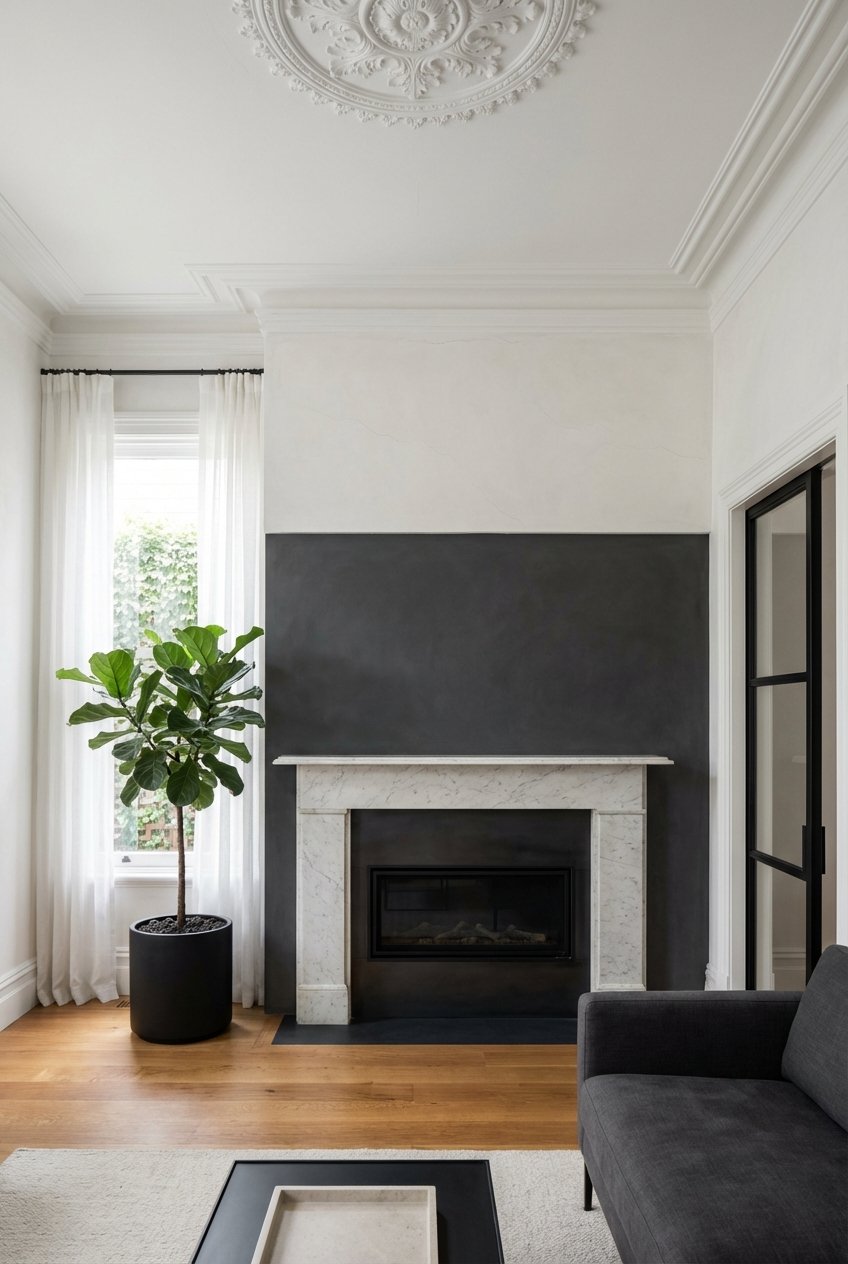
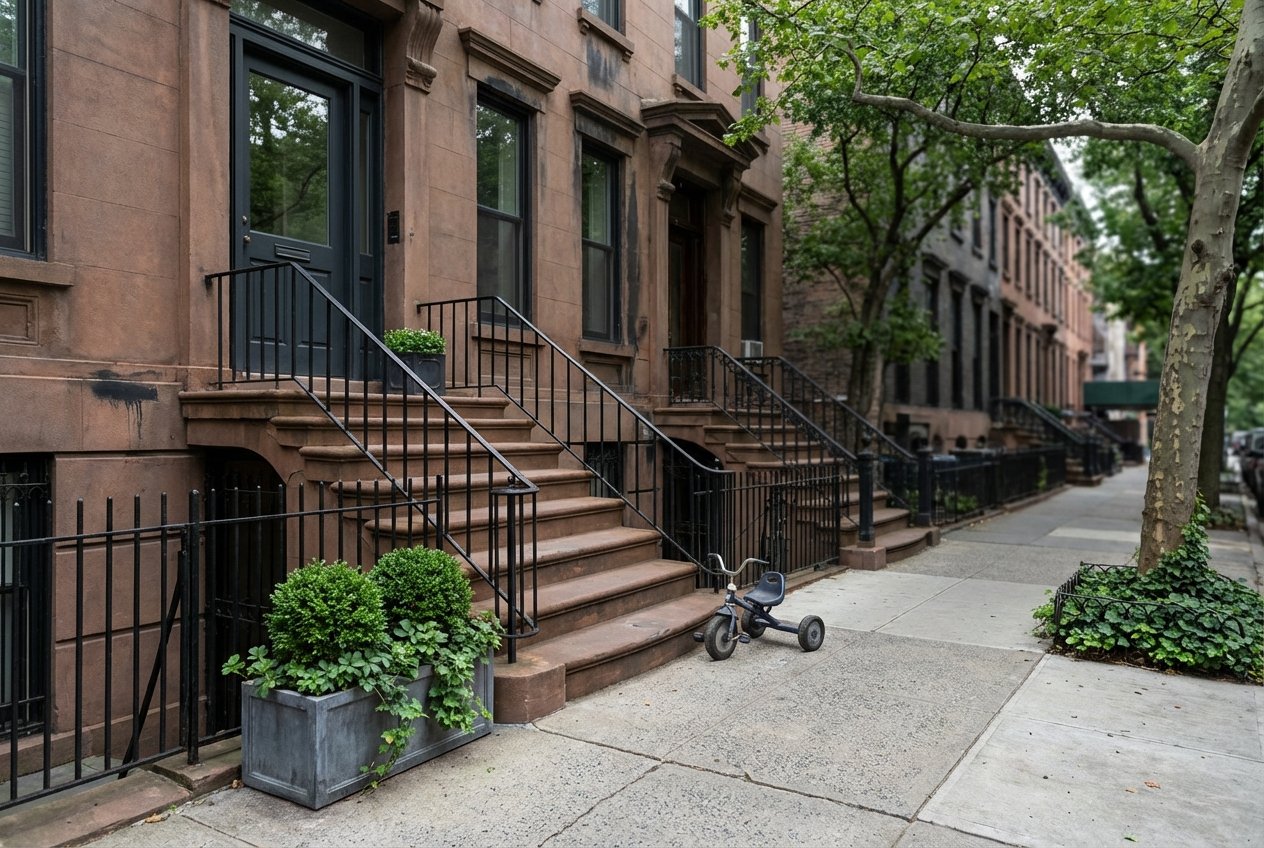
Original mantels, moldings, staircases, cornices, and parlor-floor proportions are major emotional drivers in brownstone neighborhoods. Preserving or sensitively restoring these features can set your home apart and justify a stronger asking price. Local rowhouse resources consistently emphasize restoration over unnecessary replacement for better market appeal see Brownstoner’s rowhouse guidance.
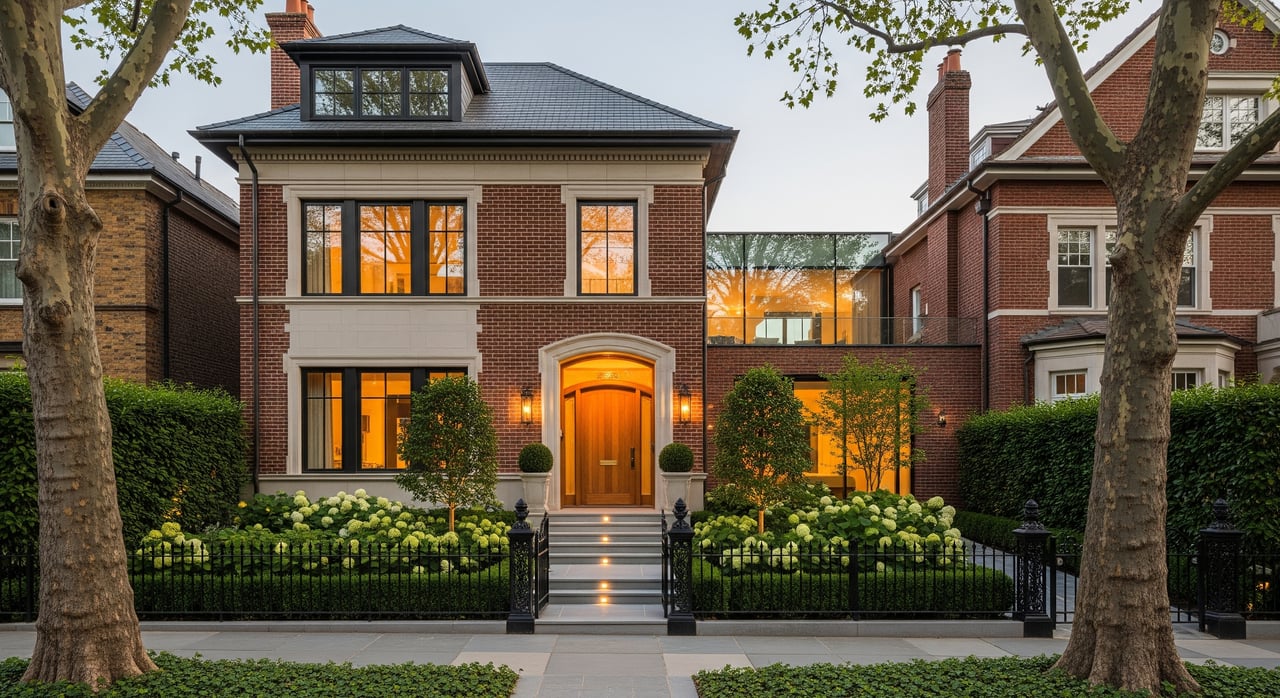
Even modest outdoor areas add measurable appeal in Brooklyn. A tidy front garden, repaired stoop, or a functional backyard with simple planting can boost showing traffic and perceived value. Combined with turnkey interiors, outdoor space helps your listing compete at the top of its comp set as recent market coverage shows.
Work without permits, incorrect Certificates of Occupancy, and open DOB or HPD violations can stall a sale or trigger price renegotiations. Lenders often flag these issues, and buyers may walk if legal status is unclear. Before listing, clear violations, legalize past work, and organize your permit documentation following DOB procedures.
Spalling brownstone, failing cornices, or a damaged stoop visible from the street signals costly repairs to buyers. In historic districts, that work likely needs Landmarks review and specialized trades, so neglect can weigh heavily on offers. Use proper masonry techniques for patching and repointing to avoid future failures and added expense per NPS Preservation Briefs.
Highly personalized finishes and unusual layouts can limit your buyer pool. In Brooklyn’s brownstone market, most buyers want a balance of period character and modern convenience. Keep big design decisions market-neutral and focus on quality.
If your brownstone is in a local historic district or designated as a landmark, exterior changes visible from the street almost always require approval from the NYC Landmarks Preservation Commission. This includes facades, windows and doors, stoops, cornices, rooftop additions, and storefront elements. LPC review is separate from DOB permits and affects project scope, cost, and timing see the city’s owner guidance.
Many routine repairs receive staff-level permits such as a Permit for Minor Work or Certificate of No Effect. Larger proposals that alter significant features may require a public hearing and a Certificate of Appropriateness. Your design team will prepare drawings, historic documentation, and material samples. Factor in DOB plan review and inspections as a separate track.
Staff-level permits are usually quicker, while Commission-level reviews can take months. If you plan exterior or structural work before listing, build a multi-month buffer to finish approvals and finalize the scope. You may also explore LPC-related façade grant or loan options if you meet eligibility criteria, which can help offset certain restoration costs using LPC resources.
Use this checklist before you sign or as contract contingencies:
Here is a practical order to maximize resale potential and reduce friction:
Fix legal and safety issues. Clear open DOB or HPD violations, close out unpermitted work, and correct the Certificate of Occupancy if needed. Legal clarity is a powerful trust signal for buyers and lenders per DOB processes.
Boost curb appeal and visible exterior health. Repair stoops, ironwork, and any facade issues visible from the street. In historic districts, plan approvals with LPC and use preservation-grade methods for masonry repairs see NPS guidance.
Do targeted kitchen and bath refreshes. Focus on midrange, timeless finishes that photograph well and broaden appeal. These projects typically deliver a stronger cost recoup than luxury fit-outs per Cost vs. Value.
Document and optimize systems. Ensure heating, hot water, electrical panels, and plumbing are safe and reliable. Provide receipts and permits to reassure buyers.
Preserve original interior features. Keep or restore mantels, moldings, stair details, and wood floors where feasible. Buyers in brownstone neighborhoods often pay more for authentic character.
Avoid over-capitalizing. Large additions or ultra-custom luxury finishes can push costs beyond what the market will return. Right-size your scope to local comps and buyer expectations referencing Cost vs. Value benchmarks.
Use national Cost vs. Value data as a directional guide, not a fixed forecast. New York City construction pricing, permit requirements, and landmark review can change timelines and budgets. Minor kitchen and midrange bath projects often show stronger resale recoup than upscale remodels, which is why a targeted refresh beats a top-of-the-line overhaul in many cases per Cost vs. Value.
Facade and masonry work varies widely. Limited repointing or patching can land in the low tens of thousands, while full facade restoration, custom stone repair, or cornice rebuilds can run much higher depending on scope and materials. Always obtain multiple bids from contractors experienced with historic Brooklyn rowhouses, and build in time for approvals where needed see NPS best practices.
Ready to weigh your options or map a renovation-to-listing plan that fits the Brooklyn market? Connect with Darren Desrameaux for clear, data-backed guidance and a streamlined path to market. Schedule a free consultation.
Stay up to date on the latest real estate trends.
Looking for a passionate agent or a new opportunity? Let’s work together. Whether you're a client or a future agent—Darren is ready to help you grow.