Debating a house, condo, or townhouse in Brooklyn? You are not alone. Each path offers different trade-offs in space, control, monthly costs, and resale. If you are a move-up buyer, the right choice comes down to how you live, commute, and budget month to month.
This guide breaks down what each option means in Brooklyn, how NYC taxes and ownership structures change the math, and what to review before you write an offer. You will see how appreciation patterns and closing timelines differ, so you can move forward with confidence. Let’s dive in.
What each term means in Brooklyn
In Brooklyn, the property types can look similar from the sidewalk but differ on paper.
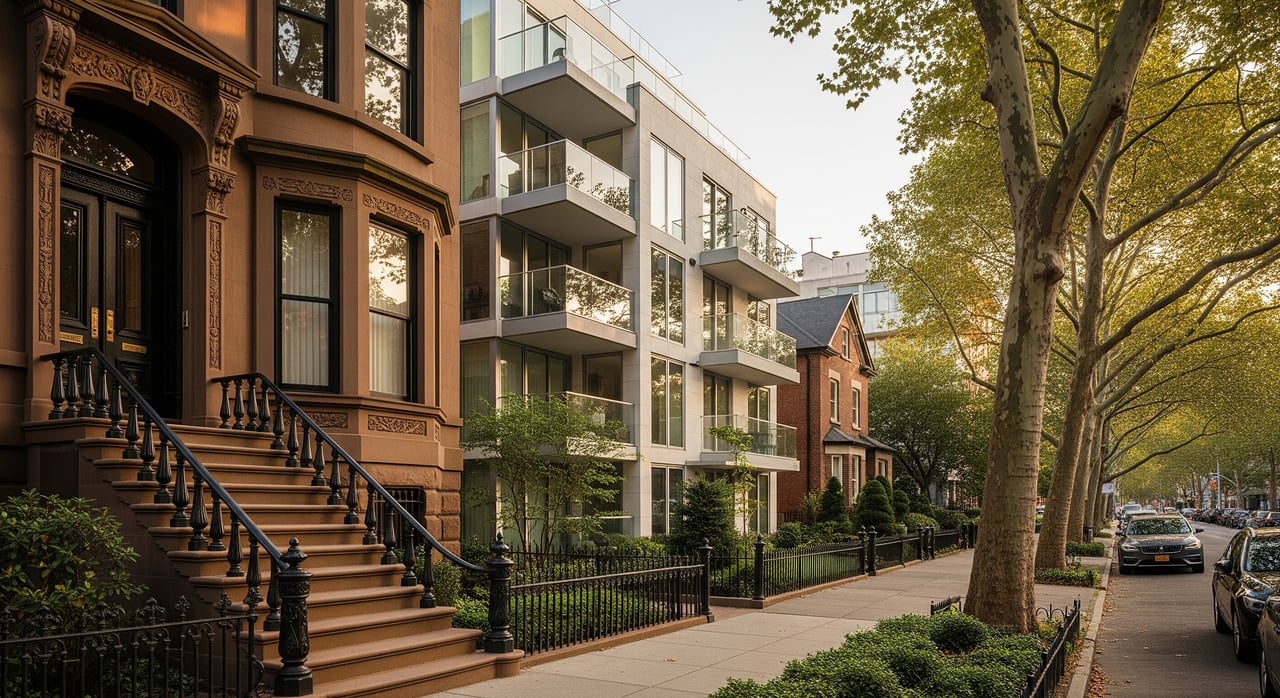
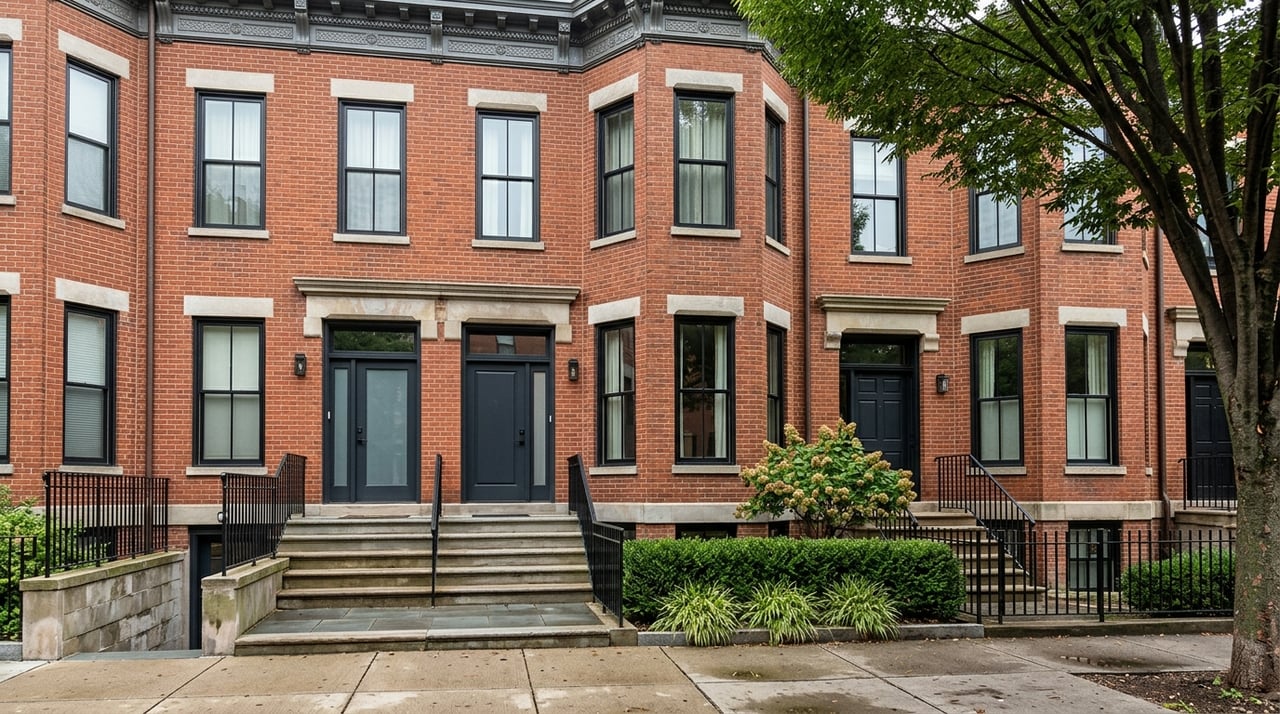
- House: Often a fee-simple property where you own the building and the land. Many are 1–3 family rowhouses or brownstones. Some are single-family. Two and three family homes are common and can offer rental income or multigenerational living.
- Condo: You own an individual unit plus a share of common elements. A condo association manages the building and common areas. Monthly common charges cover shared costs.
- Townhouse: Used two ways locally. It can mean a fee-simple rowhouse that functions like a house, or a townhouse-style unit inside a condominium or HOA where exterior maintenance is shared. Always confirm the legal structure.
Space and layout
Houses and 2–3 families
You typically get the most interior square footage, multiple floors, and private outdoor space like a yard or garden. Many homes have stoops and, in some areas, off-street parking. A 2–3 family layout lets you live in one unit and rent the other for income.
Condos
Condos range from studios to large multi-bedroom layouts. Older conversions can have smaller floor plans, while newer buildings often offer larger spaces and modern amenities. You may get shared features like a gym, roof deck, or playroom, with less private outdoor space per unit.
Townhouses
If fee-simple, a townhouse lives like a house with multiple floors and private entrances. If part of a condo or HOA, you get the townhouse look with shared obligations and rules. The structure matters for your monthly costs and control over renovations.
Maintenance and control
Houses
You handle everything: exterior, roof, structure, utilities, landscaping, snow removal, and pest control. Capital projects like roof or facade work can be significant, but you control the timing, vendors, and scope.
Condos
The association manages building systems, exterior, and common areas. You pay monthly common charges for operations and reserves. You handle interior maintenance inside your unit and typically carry an HO-6 policy. Building rules apply for renovations and sublets.
Townhouses
Fee-simple townhouses follow house-style maintenance. If the townhouse is part of a condominium or HOA, some responsibilities shift to the association based on the governing documents.
Monthly costs and cash flow
Your total monthly number is more than the mortgage. Compare these components across options:
- Mortgage payment: Principal and interest depend on price, down payment, and rate.
- Property taxes: NYC tax classes matter. Most 1–3 family houses fall under Class 1, while condos are typically Class 2. Assessment methods differ, so two properties with similar prices can have different tax bills. Always review the actual tax bill, not assumptions.
- Insurance: Houses need full homeowner’s coverage for structure, contents, and liability. Condo owners carry an HO-6 for interiors and liability; the building maintains a master policy for common elements.
- Utilities: House owners usually pay all utilities, which can be higher given more space. Some condos include heat or hot water in common charges, and a few include additional utilities.
- HOA/condo common charges: These cover building staff, maintenance, amenities, management, and reserves. Fees vary by building age, staffing, and amenity level.
- Reserves and assessments: If reserves are low, the association may use special assessments for capital repairs. Review the financials and recent meeting minutes to gauge risk.
- Rental income options: With 2–3 family houses, rental income from another unit can offset monthly costs. Condos often allow rentals with building-specific rules and timelines; always confirm the policy.
In general, condos offer more predictable recurring costs via common charges, while houses avoid HOA fees but introduce variable maintenance and capital projects. Tax class differences can shift the monthly balance more than you expect, so put real numbers side by side before you decide.
Appreciation and resale
Houses and townhouses
In many desirable Brooklyn neighborhoods, fee-simple houses and townhouses are limited by lot supply. That scarcity supports long-term value, especially in historic brownstone areas. You can sometimes add value with renovations or extensions, subject to zoning and permits. Liquidity can vary by price point; higher-end single-family homes may trade more slowly if the buyer pool is smaller.
Condos
Condo values can be sensitive to new development supply. In neighborhoods with active construction, short-term pricing can be competitive, especially where new inventory competes with resales. Entry and mid-price condos near strong transit can see steady demand and faster resale, while luxury segments may be slower.
What to evaluate
Focus on neighborhood inventory trends, recent sold comps, and any planned rezonings or public projects. Building reputation and financial health matter for condos. For houses, zoning and permitted work history affect future improvements and resale potential.
Ownership and approvals in NYC
Title and form of ownership
- House: You receive a deed to the property and typically purchase title insurance.
- Condo: You receive a deed to your unit plus an undivided interest in common elements. Review the offering plan for new or recently converted buildings, plus bylaws, house rules, budget, reserves, minutes, and any litigation.
- Townhouse: Confirm whether it is fee-simple or part of a condo/HOA. Your maintenance, approvals, and costs depend on that legal form.
Approvals and governance
Condos usually have a lighter approval process than co-ops, but you still must follow building rules for purchases, sublets, and renovations. Houses have fewer third-party approvals, which can streamline decisions. Lender requirements and appraisals apply to both and can affect timing.
Insurance differences
Condo owners budget for HO-6 coverage. Ask how the building’s master policy and deductibles work, and what loss assessment coverage may be needed. House owners carry full structure coverage, with premiums influenced by age and condition of systems.
Closing timelines and steps
Most NYC deals follow a similar path: offer, attorney review, signed contract, deposit and mortgage application, inspection and document review, underwriting and appraisal, title and final commitment, and closing.
- Condos: Often 30 to 60 days if financing and the building is straightforward. Sponsor sales or buildings with unusual requirements can run longer.
- Houses: Frequently 30 to 90 days or more, depending on inspections, municipal or permit issues, and loan type. Tenant situations in 2–3 family homes can add complexity.
- Common delays: Jumbo or complicated loans, title or survey issues, building litigation, slow HOA responses, municipal violations, or needed permits.
Due diligence checklists
For houses:
- Full home inspection covering structure, roof, boiler, plumbing, electrical, and sewer lateral.
- Department of Buildings and Environmental Control Board violation checks, plus permit history.
- Title search, easements, lot dimensions, and zoning setbacks; order a survey if needed.
- Review past renovations and confirm final sign-offs.
For condos:
- Condo budget, financial statements, reserve level, and last 12–24 months of board minutes.
- Offering plan for sponsor units or recent conversions; note any pending litigation.
- House rules, sublet policy, pet policy, and renovation procedures.
- Assessment history and planned capital projects.
Commute, parking, and schools
Transit access drives demand in Brooklyn. Properties near lines like the 2/3, 4/5, A/C, F, G, L, R, N, and D often command premiums. Larger houses can sit farther from express stations, which can trade commute time for space.
Off-street parking is limited in many neighborhoods. A driveway or garage in a house can be a major value add. Most condos near transit hubs prioritize pedestrian access and may not include parking.
School assignments can vary by address. If schools are part of your decision, consult NYC Department of Education zoning maps and official reports for objective, up-to-date information.
Decision checklist
Use these questions to narrow your choice:
- Budget vs monthly carry: How will mortgage, taxes, HOA or maintenance, insurance, and utilities compare across your top options?
- Maintenance appetite: Do you prefer to manage contractors and projects, or would you rather pay for predictability through common charges?
- Space and outdoor needs: Do you need a yard, a private roof, or room to expand later?
- Commute priorities: How much time are you willing to trade for more space or lower cost?
- Rental income: Would a second unit in a 2–3 family house help offset expenses? What are the rules where you are buying?
- Renovation plans: Do you want freedom to reconfigure, or are you comfortable working within building rules?
- Resale horizon: How long will you hold, and what are the appreciation drivers on your specific block or building?
What to review before you offer
- Actual property tax bills and assessment class for each property.
- Recent sold comps in the same neighborhood, building, or block.
- For condos: budget, reserves, minutes, assessment history, and any litigation.
- For houses: inspection results, DOB/ECB violations, and permit history.
- Commute time estimates to your typical destinations.
Next steps
If you want more space, lower maintenance, or a mix of both, Brooklyn has a path that fits. The key is comparing real monthly numbers, commute trade-offs, and the legal structure behind the facade. A focused review of taxes, building financials, and neighborhood comps will tell you which option supports your goals.
Ready to weigh your options and move toward a clean closing? Let’s build a plan that fits your budget, timeline, and lifestyle. Schedule a free consultation with Darren Desrameaux to compare specific homes, townhouses, and condos side by side.
FAQs
What is the difference between a Brooklyn house and a townhouse?
- In Brooklyn, a house is typically fee-simple, while “townhouse” can mean a fee-simple rowhouse or a townhouse-style unit inside a condo or HOA; always confirm the legal structure.
How do NYC property taxes differ for condos vs houses?
- Most 1–3 family houses are Class 1 and most condos are Class 2; different assessment methods can produce different bills, so review the actual tax statements for each property.
How long does it take to close on a Brooklyn condo?
- Many financed condo closings take about 30 to 60 days if the building is straightforward, with longer timelines for sponsor sales or buildings with added requirements.
What should I look for in a condo’s financials?
- Review the budget, reserve levels, last 12–24 months of board minutes, assessment history, planned capital projects, and any pending litigation.
Can I rent out a unit in a 2–3 family house?
- Many buyers use a second unit for rental income, but lease terms and local rules apply; confirm tenancy details and any regulatory considerations before you buy.
Do condos or houses appreciate faster in Brooklyn?
- It depends on neighborhood supply and demand: houses and fee-simple townhouses benefit from land scarcity, while condo values can be more sensitive to new development pipelines and building reputation.