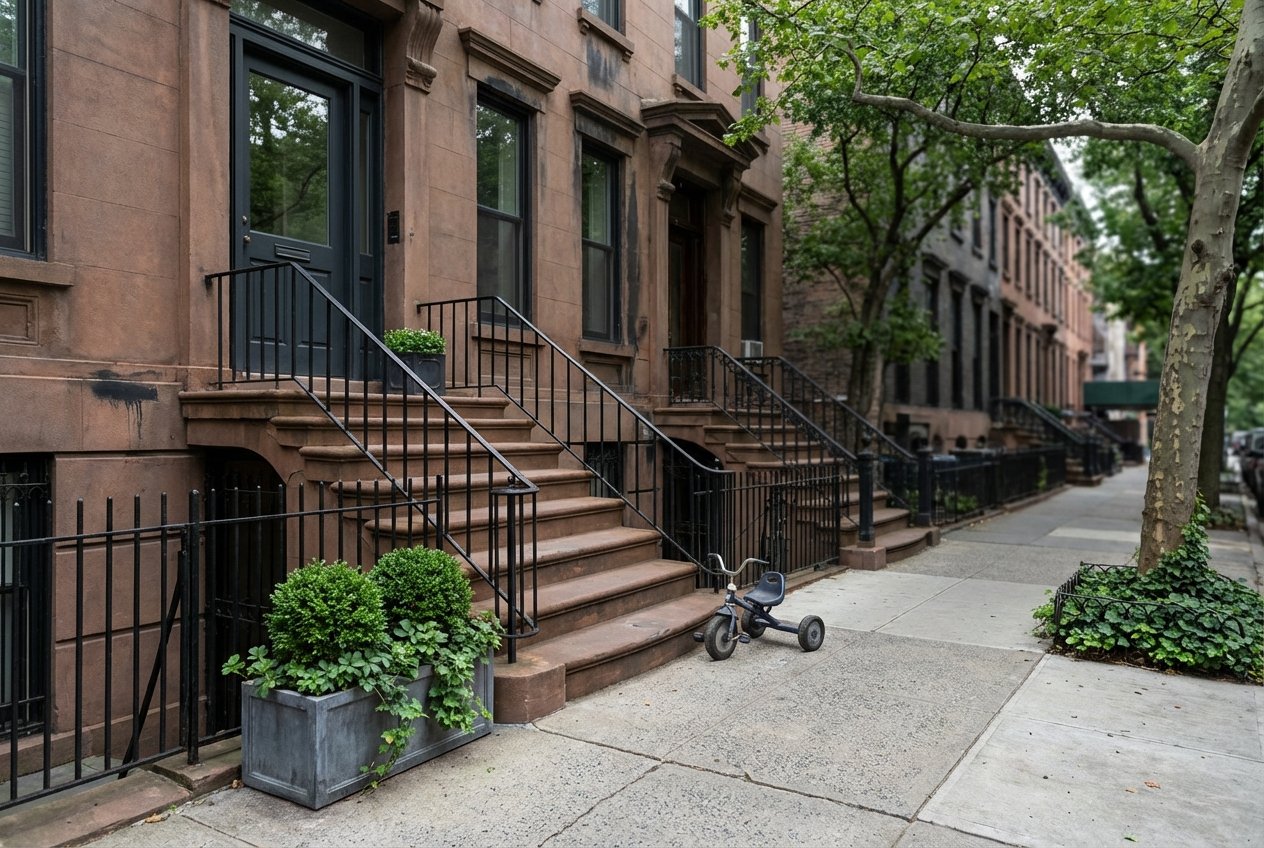
What It’s Like To Raise a Family in Brooklyn Today
Thinking about raising a family in Brooklyn but unsure how daily life really feels? You want parks nearby, solid school options, manageable commutes, and a home that fits your budget and routine. This guide gives you a clear look at life in four go-to neighborhoods for families: Park Slope, Bay Ridge, Kensington, and Windsor Terrace. You will learn how parks, schools, childcare, healthcare, and transit shape the week for parents and kids. Let’s dive in.
Brooklyn is large, diverse, and home to many families. Borough data shows wide linguistic diversity and a broad mix of ages, which you notice in schools, playgrounds, and neighborhood shops. You can explore high-level context in the county’s profile from the U.S. Census Bureau’s QuickFacts for Kings County to better understand the area’s makeup. Census QuickFacts for Kings County provides that overview.
Parks are central to daily life. Prospect Park is a 526-acre anchor that supports everything from stroller walks and scooter rides to youth sports, concerts, and winter sledding. Families across Park Slope, Windsor Terrace, and parts of Kensington rely on it year-round. You can see facilities like the lake, playgrounds, and fields on the official Prospect Park page from NYC Parks.
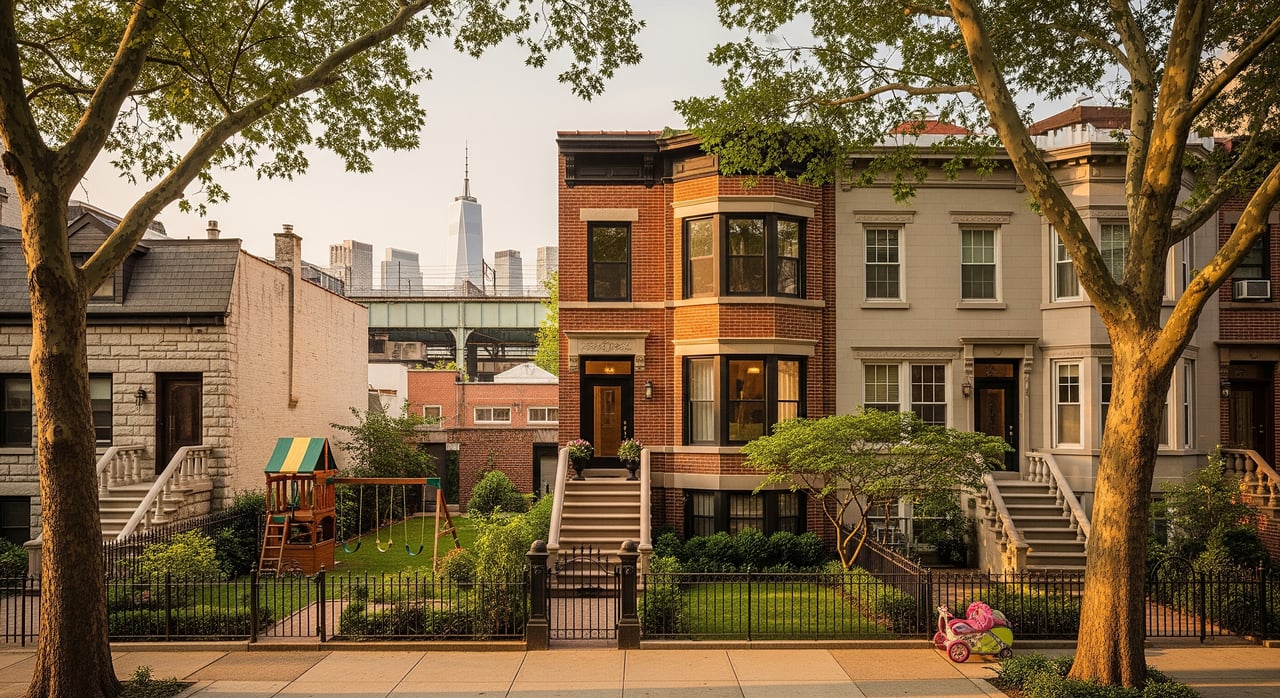
Park Slope draws families for its tree-lined blocks, brownstones, and easy access to Prospect Park. Daily errands, pediatric appointments, and kid-focused shops often sit within a short walk. Many households choose co-ops and condos for efficiency, while others target multi-family or single-family brownstones for more space. Prices here trend on the higher end by Brooklyn standards.
Local public elementary schools serve the neighborhood, and parent communities tend to be very active. If you want to understand a specific option, review school profiles before you buy. For example, you can learn about neighborhood context and programs at P.S. 321’s InsideSchools profile.
Transit is strong with F and G lines and nearby bus routes. If you need step-free access for strollers or mobility, confirm station accessibility in advance since elevator availability varies by station.
Bay Ridge offers more single-family houses and lower-rise blocks, plus active main streets along 3rd and 5th Avenues. Families often look here for more living space, driveways, and a calmer street feel compared to central Brooklyn. Median sale prices are often lower than in Park Slope, which helps many buyers stretch their budget.
Outdoor life centers around Shore Road Park and Owl’s Head Park. The waterfront promenade, playgrounds, and the American Veterans Memorial Pier are big draws, and NYC has invested in improvements. You can see amenities and updates on the Shore Road Park page from NYC Parks.
The R train serves the area. Commutes to Manhattan are longer than from central Brooklyn, so many residents weigh subway, express buses, and driving. Check accessibility if elevators are important to your routine.
Kensington is a multiethnic, residential area known for cultural variety and a mix of prewar apartments, rowhouses, and smaller single-family homes. It sits just south of Park Slope and Windsor Terrace, which makes Prospect Park accessible without the Park Slope price premium. Many families see it as a value-oriented choice with a quieter pace and good transit options.
You will find public, parochial, and community-based early childhood programs here. For public school planning, look at current district information and check waitlists early.
Transit includes the F and G corridors depending on the block, plus buses and bike routes for cross-Brooklyn access.
Windsor Terrace blends a close-to-the-park location with a small-neighborhood feel. Families often pick it for quieter blocks and easy access to Prospect Park entrances. Home types range from apartments and condos to smaller single-family houses. Prices typically fall between Park Slope and more affordable South Brooklyn areas.
Local elementary schools such as P.S. 154 and P.S. 130 serve the area. Many parents appreciate the walkable drop-off, the compact neighborhood footprint, and short trips to groceries and cafes.
The F and G lines are nearby. If you rely on a stroller or need step-free access, confirm station elevator status before you commit to a commute route.
New York City operates citywide 3-K and Pre-K, with seats offered in district schools, Pre-K centers, NYC Early Education Centers, and licensed family child care homes. The application is centralized and runs on a city timeline that includes priority rules and waitlists. You can review program types, eligibility, and key dates on the NYC DOE’s 3-K and Pre-K enrollment pages.
For elementary grades, families often weigh a zoned neighborhood school against charters, magnets, or other options. When you have a short list of addresses or buildings, map those against current zones and read recent school profiles. InsideSchools offers descriptive write-ups and context for individual schools like P.S. 321.
After-school and summer options vary. You will see a mix of DOE-run programs, community organizations, private providers, and camps. Many PTAs share roundups and calendars, and branch libraries list regular family events.
Infant and toddler care can be competitive in Brooklyn. Families use a mix of licensed centers, family child care providers, and relative or nanny care. Waitlists are common for full-time infant and toddler slots, so it pays to start early and hold a backup option.
Costs vary by age and provider type. A practical planning range for full-time infant and toddler care in NYC often runs into the low to mid thousands per month. For a current overview and methodology, see this childcare cost summary for New York City. Always verify pricing directly with providers, since rates can shift quickly.
Brooklyn has broad pediatric networks across major hospital systems. Maimonides operates the borough’s largest standalone children’s emergency department and pediatric trauma services, which many parents cite as a key comfort. You can learn more about its resources on Maimonides’ announcement page. NYU Langone Hospital—Brooklyn and other systems also provide pediatric and family medicine coverage across the borough.
Subway access is strong across these neighborhoods, but station accessibility is not uniform. If you depend on a stroller or step-free travel, check elevator status for your most-used stations and do a test run at your actual commute time. The MTA’s subway maps and accessibility resources are the best place to confirm current elevator and ramp information.
Picture a weekday morning in Park Slope or Windsor Terrace. You walk your child to school, then take a short stroll through Prospect Park for a coffee and a loop around the playground. In Bay Ridge, you might head to the Shore Road promenade with a stroller or scooter before naptime. In Kensington, a midday library storytime or a quick stop at a neighborhood market fits easily into the schedule.
After school, kids head to sports, music, or art. Prospect Park’s fields and courts fill up, and local PTAs share after-school options. On weekends, families ride bikes around the park, try a new play space, or visit a nearby library branch. For a sense of community programming and architecture, check the Brooklyn Public Library’s Park Slope branch profile, then look up your local branch calendar.
Ready to explore homes and make a confident move? Partner with a local, results-focused advisor who will streamline your search and negotiate decisively. Connect with Darren Desrameaux to plan your next step.
Stay up to date on the latest real estate trends.

Looking for a passionate agent or a new opportunity? Let’s work together. Whether you're a client or a future agent—Darren is ready to help you grow.