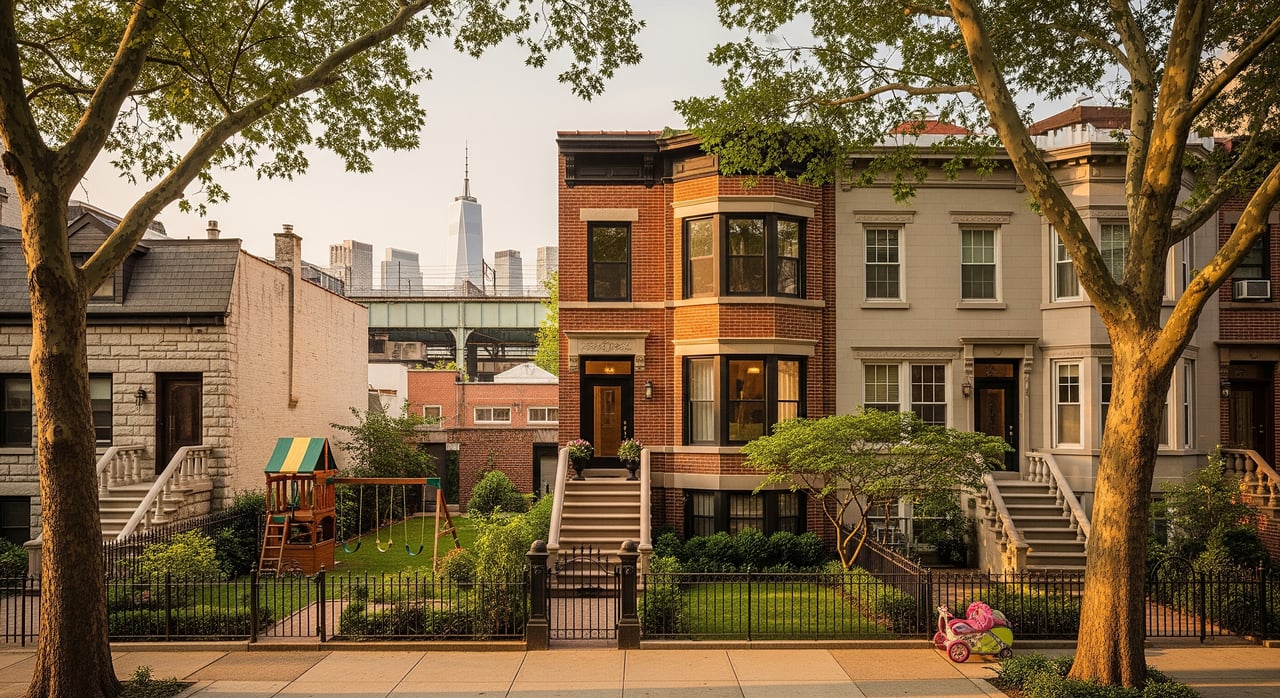
Top Queens Neighborhoods for Manhattan Commuters With Kids
Rushing to make a Midtown meeting while juggling school drop-off is a real stress test. If you want a faster Manhattan commute without giving up parks, programs, or room to grow, Queens offers strong options. In this guide, you’ll compare five neighborhoods side by side, understand commute modes and school basics, and learn what to check when touring homes. Let’s dive in.
Start with your nonnegotiables, then map options around them.
Astoria offers N and W subway service with straightforward access to Midtown. It is a strong fit if you want a walkable neighborhood and frequent trains, especially for Midtown and Downtown connections. You’ll also find expanding bike options for short trips.
Homes are mostly pre-war walk-ups, co-ops, condos, and some newer towers. Typical layouts range from one to three bedrooms. Co-ops are common and can be more budget-friendly than condos.
Families value Astoria Park, playgrounds, and neighborhood programs. Schools vary by zone and grade, with public, charter, and private options in reach.
Sunnyside centers on the 7 train, delivering short rides into Midtown depending on your stop and destination. Car access to the Queensboro Bridge and LIE is straightforward for weekend trips.
Housing skews low-rise: rowhouses, small multi-family buildings, and many two- to three-bedroom apartments. Some homes have shared or modest private outdoor space.
Families appreciate a quieter feel, pocket parks, and local businesses. School options include zoned public schools, charters, and nearby private preschools.
Forest Hills combines E, F, M, and R subway service with access to the LIRR. Many Midtown commuters find the flexibility useful, especially during peak hours.
You’ll see more single-family houses, Tudor-style homes, and garden apartments alongside co-ops and condos. If a yard or more square footage matters, Forest Hills stands out within city limits.
Families cite strong public school options and nearby private and religious schools. Parks and services are plentiful, including access to Forest Park and local playgrounds.
Bayside leans suburban with detached homes, driveways, and yard space. The LIRR is a major asset for Midtown commuters, especially those heading to Penn Station.
Most homes are single-family with garages and more private outdoor space. Daily errands may involve more driving compared with denser neighborhoods.
Families note strong public school reputations and a range of private and parochial options. Parks and community leagues are part of the routine.
Jackson Heights delivers excellent subway coverage with the 7, E, F, M, and R nearby. If quick, frequent service is your top priority, this neighborhood is a strong contender.
Housing is dominated by pre-war co-ops and multi-family buildings, offering larger multi-bedroom units at a lower entry price than many single-family areas.
Families benefit from local parks like Travers Park, diverse food and cultural resources, and strong community networks. Private yards are rare, so plan on parks and play streets for outdoor time.
Subway lines offer predictable service and lower monthly costs. LIRR can be faster from outlying areas like Bayside or parts of Forest Hills, but fares and schedules differ by peak and off-peak. Peak crowding can add time and stress, so test your exact route during rush hour using the MTA tools and LIRR schedules.
Driving gives flexibility for school and activities but brings variable travel times and parking considerations. If you’ll rely on a car, evaluate driveway or garage access and local traffic at drop-off.
Elementary placement is primarily zone-based, while middle and high school options often require applications. Some families pursue charter or private schools. Review zones, program offerings, and admissions timelines with the NYC DOE School Search. Consider proximity to after-school programs, daycare capacity, and services that match your needs.
Factor fees and utilities into your monthly budget. For trend context and neighborhood comparisons, review recent data in the StreetEasy Market Reports.
Bring this list when touring homes:
To validate neighborhood fit, you can also scan public resources such as the NYPD CompStat overview, NYC Parks maps, U.S. Census data, and the NYC Open Data portal for community facilities.
Choosing between these neighborhoods comes down to your daily routine, school needs, and the tradeoff between space and speed. If you want a clear plan and vetted options that fit your budget and commute, connect with Darren Desrameaux. Schedule a free consultation and get a short list of homes matched to your station, school zone, and timeline.
Stay up to date on the latest real estate trends.

Looking for a passionate agent or a new opportunity? Let’s work together. Whether you're a client or a future agent—Darren is ready to help you grow.