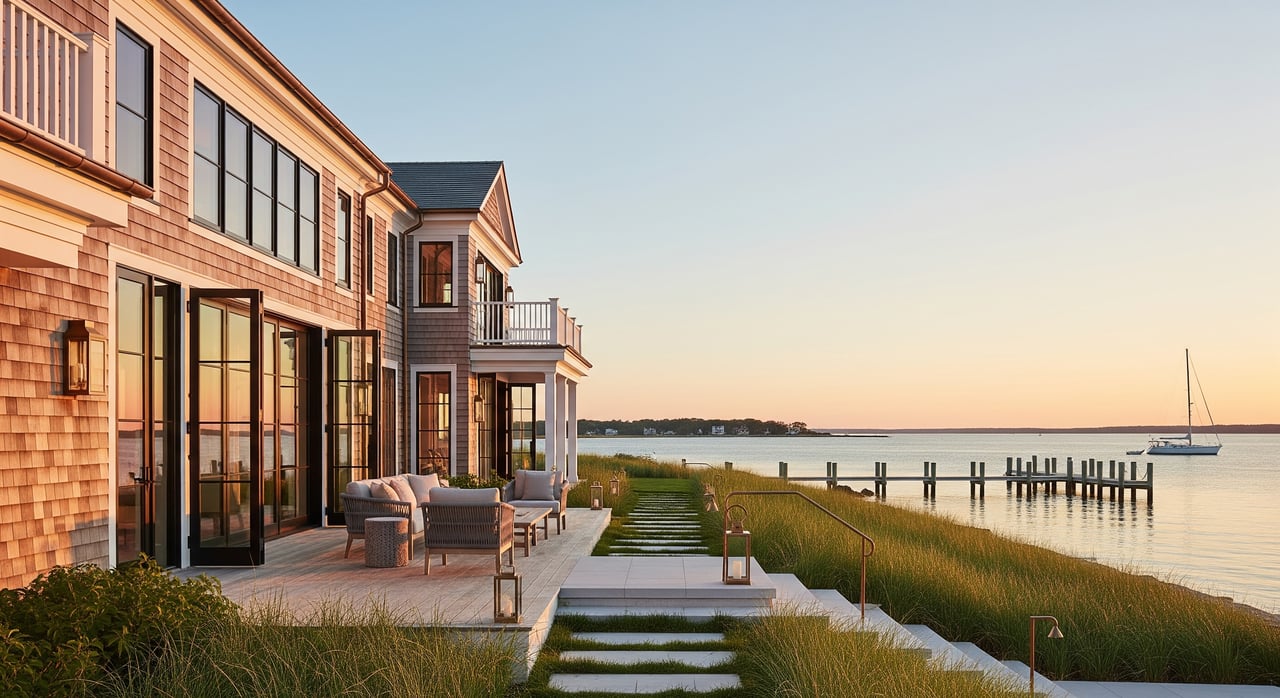
Guide to Hamptons Waterfront Home Types
Wondering which Hamptons waterfront fits you best: oceanfront, bayfront, or a canal with a private slip? Choosing the right shoreline is not just about the view. It changes your price point, upkeep, permits, and insurance. In this guide, you’ll learn how the main waterfront types around Northwest Harbor and the 11937 East Hampton area compare, what to check before you tour, and how to protect your budget and timeline. Let’s dive in.
Properties that face the Atlantic along the South Fork deliver powerful surf, wide horizons, and direct beach access. These lots see stronger wind and wave exposure, and some stretches face higher erosion and storm surge risk. You may find dunes, boardwalks, revetments or seawalls, and strict setbacks that shape where you can build or expand.
Lifestyle benefits include surf, sand, and expansive ocean views. Many oceanfront parcels feel private due to lot orientation and dune buffers. Weigh that against higher storm exposure and the potential for more frequent repair needs after major weather events.
Bayfront and harbor properties around Peconic Bay, Northwest Harbor, and the Sag Harbor environs sit on more sheltered waters. Expect tidal flats, marshes, and variable depths. Infrastructure often includes bulkheads, private docks, moorings, and piers, which can be excellent for powerboats, sailboats with the right draft, and paddle sports.
You typically get calmer water recreation and striking sunsets over the bay. Water depth and navigability change by location and tide, so confirm suitability for your boat. Marsh edges call for different shoreline protection approaches than ocean dunes.
Canal homes line man-made channels or sit by slips in small harbors or private developments. Water is usually protected and can be deeper within managed channels. Shorelines are often bulkheaded, and many homes offer private docks, lifts, or shared seawalls. Some communities are part of a homeowners’ association that coordinates dredging and shoreline upkeep.
If boating convenience ranks first, these spots shine. You trade sweeping ocean vistas for immediate dock access and quick day-trip departures. Bridge clearances, channel depth, tide windows, and HOA rules are key details to confirm.
A general hierarchy holds in many parts of the Hamptons. Oceanfront homes tend to command the highest premiums thanks to unobstructed views, exclusivity, and direct beach access. Bayfront and harbor homes follow, though pricing varies widely with navigability, dock rights, depth, and view corridors. Canal and slip properties can be highly valuable when they include permitted, deep-water dockage, but values can depend on channel maintenance and HOA requirements.
What drives value up or down:
For perspective on current trends, buyers typically review local MLS data and quarterly market reports that track waterfront versus non-waterfront performance in 11937 and nearby East Hampton submarkets.
All waterfront homes require more exterior care due to salt, humidity, and wind. Budget for paint, metal corrosion, deck upkeep, and more frequent HVAC servicing. Moisture management is a steady task, and landscaping often uses salt-tolerant plantings and erosion controls.
On the ocean, storm exposure raises the need for dune protection, sand fencing, and plantings. In some cases, you will monitor seawalls or revetments and plan for repairs. After Nor’easters or hurricanes, sand can accumulate in yards and driveways. Emergency repairs may be more common here than on sheltered waters.
On protected waters, focus shifts to bulkheads, docks, pilings, and hardware. Expect periodic replacements and anti-fouling work due to marine growth. Some slips or channels need dredging at intervals, often coordinated by a town, marina, or HOA. Marsh and wetland edges favor vegetative stabilization over hard structures.
Recurring costs to plan for:
Coastal property improvements in 11937 often engage multiple authorities. The New York State Department of Environmental Conservation handles tidal wetlands and coastal permits. The U.S. Army Corps of Engineers issues federal permits for work below mean high water, dredging, or structures in navigable waters. The Town of East Hampton enforces local coastal erosion hazard rules, building and zoning setbacks, coastal overlays, and harbor regulations. Suffolk County’s Health Department governs septic system requirements that affect renovations and expansions. FEMA flood maps and local floodplain rules determine elevation standards that may affect design and insurance.
Common restrictions include strict setbacks from dune lines and wetlands, buffers that limit certain work, and seasonal rules for moorings or no-wake zones. Some parcels sit within conservation or special environmental designations that further restrict alterations. Always verify permit history with the town and NYSDEC, review FEMA flood zone status, and check county septic rules before planning any project.
Many waterfront homes sit in FEMA-designated flood zones where lenders require flood insurance through the NFIP. Standard homeowners policies often exclude flood and sometimes wind-driven water damage. You may need separate flood coverage and wind or hurricane endorsements. Premiums depend on your elevation, flood zone, and whether you have a current elevation certificate.
Lenders also look closely at title issues along the shoreline. Confirm riparian rights, easements, and any recorded access rights to docks or beaches. To manage risk, request the elevation certificate, a recent flood claims history, and engineering assessments for foundations, bulkheads, and pilings. Documentation of any prior storm repairs, plus town records of shoreline projects or dredging plans, helps you understand future obligations.
Every waterfront type delivers a different daily rhythm. Match your priorities to the shoreline.
Start with clarity on how you want to use the water. If you want surf and sweeping horizons, focus on oceanfront and plan for higher upkeep and insurance. If boating and sunsets drive your decision, explore bayfront and harbor properties. If daily dock convenience matters most, prioritize canal or slip homes and confirm dredging and HOA details.
From there, get specific. Verify flood zone and elevation, review shoreline permits and repairs, and budget for dock and bulkhead life cycles. The right preparation protects your timeline and your bottom line.
If you want a pragmatic, results-first approach to buying or selling on Long Island’s waterfront, let’s talk. Schedule a free consultation with Darren Desrameaux to plan your next steps.
Stay up to date on the latest real estate trends.

Looking for a passionate agent or a new opportunity? Let’s work together. Whether you're a client or a future agent—Darren is ready to help you grow.