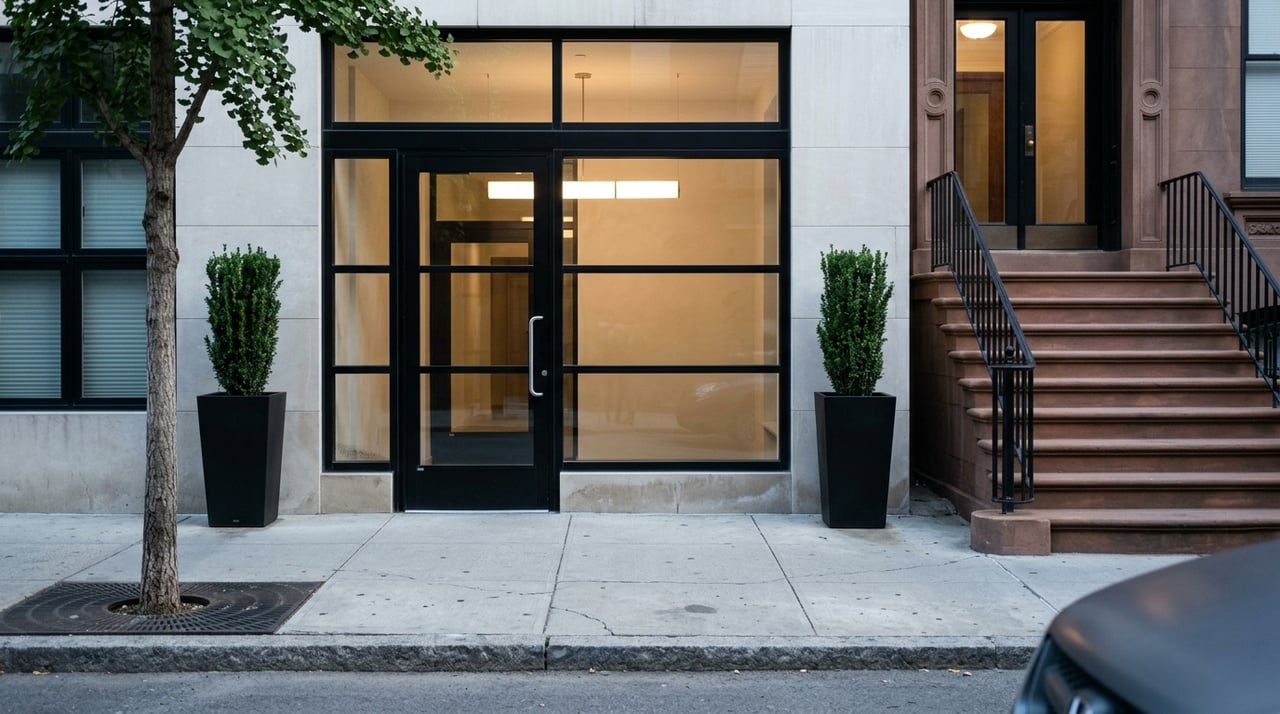
Brooklyn Townhouse And Condo Demand Explained
Trying to decide whether a Brooklyn townhouse or condo will hold demand better? You are not alone. In a market where prices remain high and well-priced homes still move, the choice often comes down to how buyers value space, maintenance, privacy, and long-term flexibility. This guide breaks down how townhouse and condo demand works in Brooklyn today so you can make a smarter buying or selling decision. Let’s dive in.
Brooklyn remains a competitive sales market by recent standards. In August 2025, homes sold for a median of 99.7% of their last asking price, 33.5% sold above asking, and the median asking price reached $1.1 million, up 7.6% year over year.
That activity is not just a pricing story. Homes entering contract spent a median of 73 days on market, and Brooklyn added 522 new contracts that month. In Q4 2025, the borough-wide median sales price was $990,000, and 22.5% of sales involved bidding wars.
That matters because it shows real demand across the borough. Buyers are still competing when the home, location, and pricing line up.
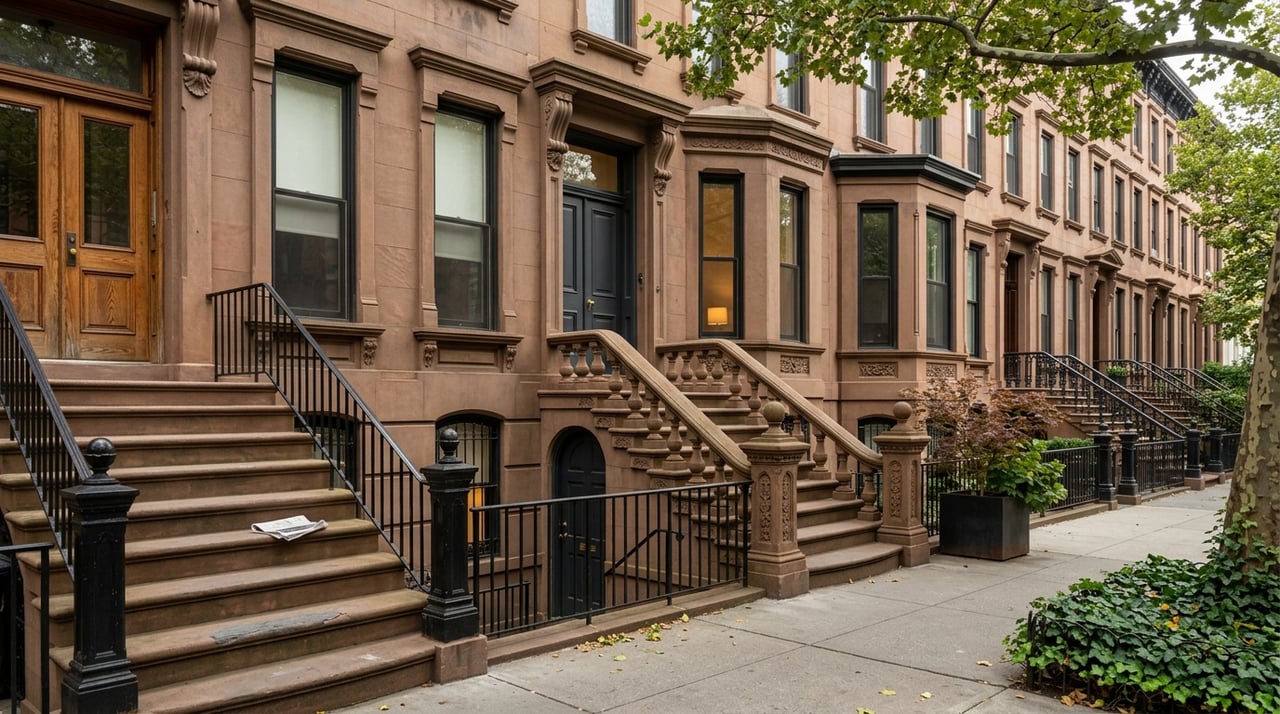
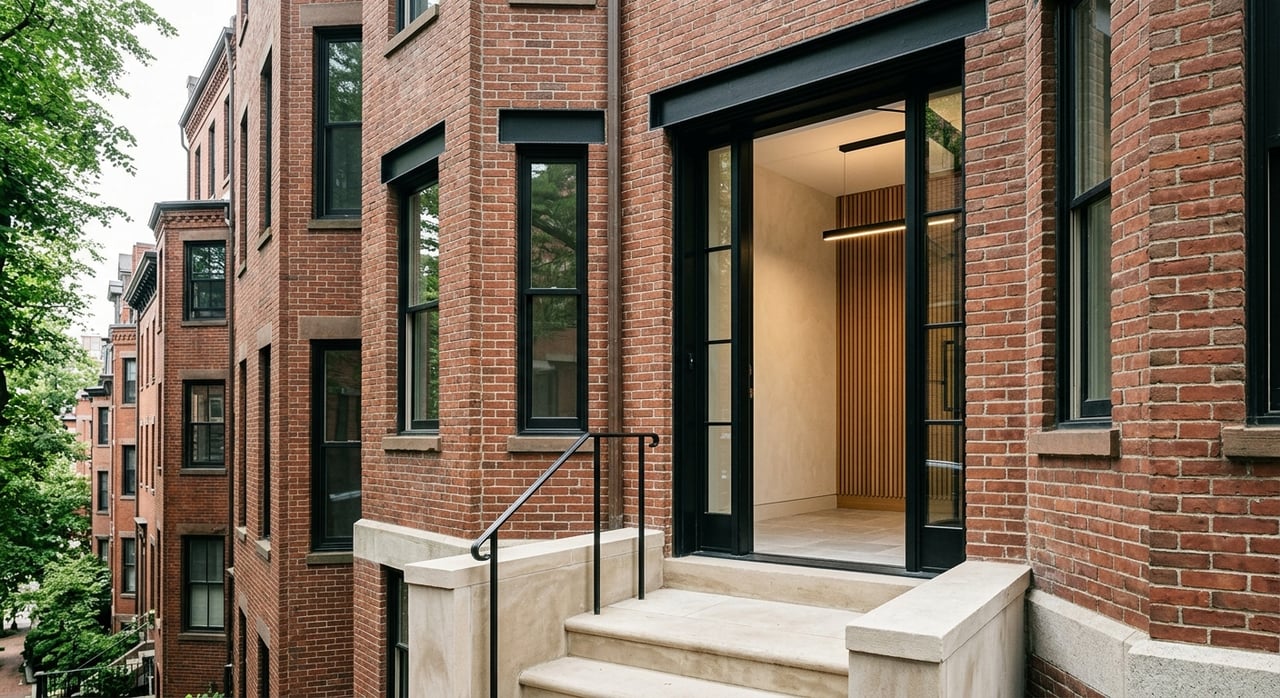
A Brooklyn townhouse often feels closest to single-family living. These homes typically share one or two walls with neighboring buildings, may include private outdoor space, and in some cases can be multi-family buildings sold to one owner.
That structure tends to appeal to buyers who want more space and more control. Townhouses also carry emotional appeal in Brooklyn, especially in classic brownstone areas where architecture and block character play a major role in demand.
A condo has a separate ownership structure. In New York, buyers need to review the offering plan, building condition, and governing documents because the declaration, by-laws, and house rules shape how the property operates.
Condo ownership also includes common charges and shared responsibility for common areas and building systems. For many buyers, that tradeoff can feel simpler than managing an entire townhouse on your own.
Price is one of the biggest reasons demand looks different between these two property types. In Q4 2025, Brooklyn condos posted a median sales price of $1.09 million.
By comparison, Brooklyn’s broader 1-to-3 family category, which is a useful proxy for much of the borough’s townhouse stock, posted a median sales price of $1.18 million. In the brownstone submarket, the median sales price reached $3.1 million.
That gap shapes the buyer pool. Condos are still expensive, but they usually sit below the most sought-after townhouse tier, which gives them broader reach across Brooklyn buyers.
StreetEasy’s 2024 Buyer Trends Report found that most buyers were focused on homes priced below $1 million. That helps explain why condos often attract a wider range of shoppers in Brooklyn.
If your budget is tight, a condo may be the more realistic path into the market. That broader affordability band can create stronger search activity, especially among primary-residence buyers.
Condo demand is also shaped by convenience. In Q4 2025, Brooklyn condos had 693 closed sales, 59 days on market, 905 listings, and 3.9 months of supply.
New-development condos had a median sales price of $1.2375 million, and new-development units accounted for 34.7% of condo closings in Q2 2025. That shows how much condo demand is tied to amenity-driven, move-in-ready product.
Buyers can often compare condos more quickly than townhouses. Floor plans, finishes, monthly charges, and amenities may vary, but the format is generally easier to benchmark across multiple options.
In a more balanced market, that can help condos maintain steadier buyer traffic. The lower-maintenance lifestyle also appeals to buyers who want less day-to-day responsibility.
Townhouse demand in Brooklyn tends to be more concentrated. It is especially strong in brownstone neighborhoods such as Park Slope, Fort Greene, Carroll Gardens, Cobble Hill, Brooklyn Heights, Boerum Hill, Windsor Terrace, Prospect Heights, and Prospect Lefferts Gardens.
These homes are limited in supply, and buyers often wait for the right one rather than settling quickly. When a move-in-ready townhouse hits the market in a well-known rowhouse area, competition can rise fast.
In Q2 2025, 21.3% of Brooklyn 1-to-3 family sales were in bidding wars, compared with 16.2% of condo sales. It is not a perfect townhouse-to-condo comparison, but it does show that house-like product can trigger a more intense reaction from buyers.
That pattern makes sense in Brooklyn. Space, privacy, and long-term flexibility are hard to replicate, and buyers who want those features often compete harder when they find them.
Townhouse buyers can be highly selective. StreetEasy notes that move-in-ready townhouses are in top demand, which suggests buyers are willing to pay for homes that reduce renovation risk.
That is especially important in older brownstones, where upkeep and restoration can be significant. A townhouse that looks great but needs major systems or facade work may not attract the same urgency as one that is already updated.
With a townhouse, you usually have more privacy and more direct control over the property. That can be a major advantage if you want autonomy over how the home is used and maintained.
But control comes with responsibility. Owners are generally responsible for the roof, facade, systems, and interior upkeep, and older brownstones may need facade restoration after years of exposure.
Condos spread many ownership responsibilities across the building through common charges and board governance. That can make ownership simpler on a daily basis, especially if you prefer predictable routines over hands-on property management.
Still, buyers should not assume a condo is carefree. The New York State Attorney General advises buyers to review the offering plan carefully and pay close attention to the building’s physical condition, systems, and sponsor obligations.
For condo buyers, monthly common charges are only part of the equation. Building systems, reserve strength, repair needs, and board governance can all affect long-term value and ownership experience.
The Attorney General notes that existing buildings may face repair needs involving facades, roofs, elevators, plumbing, electrical, and boilers. That is why two condos with similar list prices can deliver very different ownership outcomes.
A townhouse will often be the better fit if your priority is space, privacy, and long-term occupancy. It can also make sense if you want outdoor space or more flexibility within the building.
This is one reason townhouse demand stays strong in many established Brooklyn rowhouse areas. Buyers looking for a house-like experience usually have fewer true alternatives.
A condo may be a better fit if you value easier upkeep and a more predictable ownership structure. It can also work well if you want a move-in-ready home with shared amenities and less hands-on maintenance.
That practical appeal supports a broader buyer pool. For many Brooklyn shoppers, condos are simply easier to access financially and easier to manage after closing.
If you are buying, the best choice is not just about headlines or averages. It is about matching the product type to your budget, timeline, and tolerance for maintenance.
If you want the widest selection and a lower entry point, condos usually give you more options. If you want scarcity, space, and classic Brooklyn housing stock, a townhouse may justify the higher price and narrower inventory.
The key is to evaluate demand at the property level. In Brooklyn, condition, pricing, and location can matter just as much as whether the home is a townhouse or a condo.
If you are selling, understanding the demand pattern helps you position the property correctly. A condo often needs sharp pricing, clear monthly cost presentation, and strong building-level information to stand out.
A townhouse usually depends more on condition, block appeal, and whether buyers see it as move-in ready or a project. Because the townhouse buyer pool is narrower but often more motivated, the right pricing and prep strategy can make a major difference.
In both cases, Brooklyn remains active enough that disciplined execution matters. The homes that win are usually the ones that enter the market with a clear strategy, strong presentation, and realistic pricing from day one.
If you are weighing a Brooklyn townhouse purchase, comparing condo options, or preparing to sell, working with a local agent who understands demand by property type can save time and improve your result. For direct, practical guidance and a clear plan to move forward, schedule a free consultation with Darren Desrameaux.
Stay up to date on the latest real estate trends.

Looking for a passionate agent or a new opportunity? Let’s work together. Whether you're a client or a future agent—Darren is ready to help you grow.