Everyday Life On A Brooklyn Brownstone Block
Wondering what life really feels like on a Brooklyn brownstone block? It is easy to admire the stoops, iron railings, and long rows of historic facades from the outside, but daily life here is about more than curb appeal. If you are thinking about buying, selling, or simply understanding this style of Brooklyn living, this guide will walk you through the rhythm, layout, and tradeoffs that shape the experience. Let’s dive in.
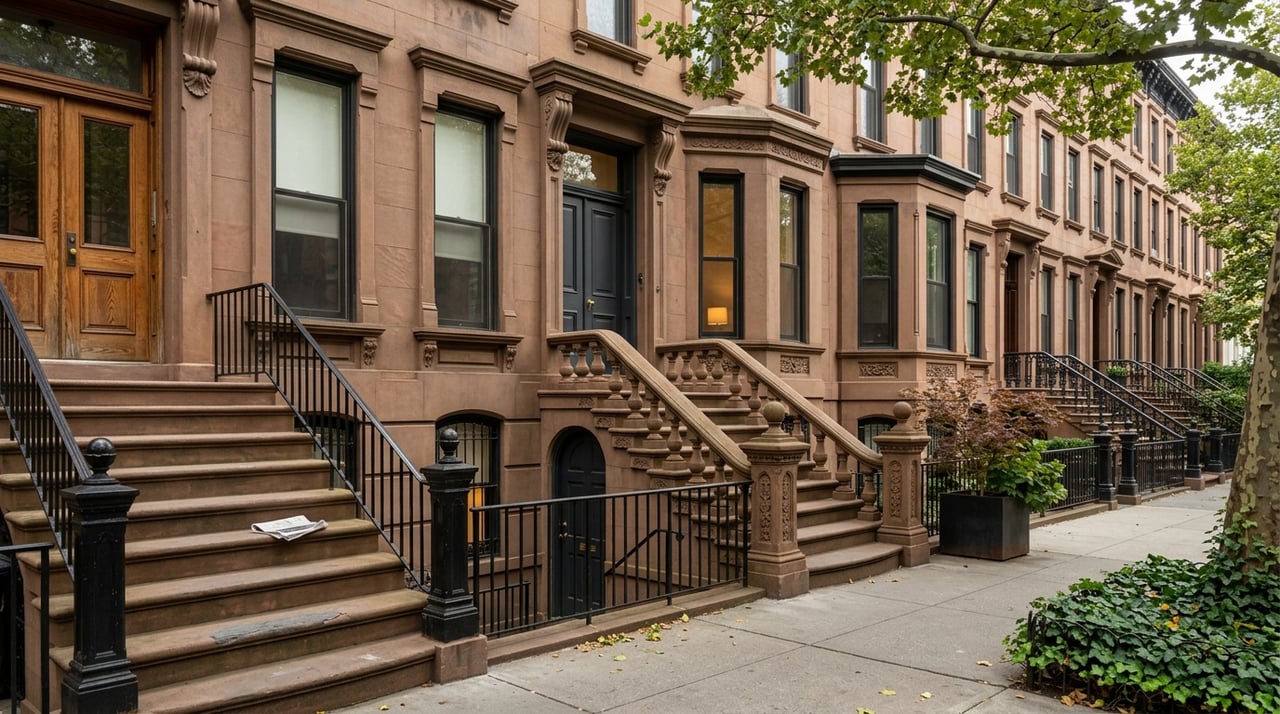
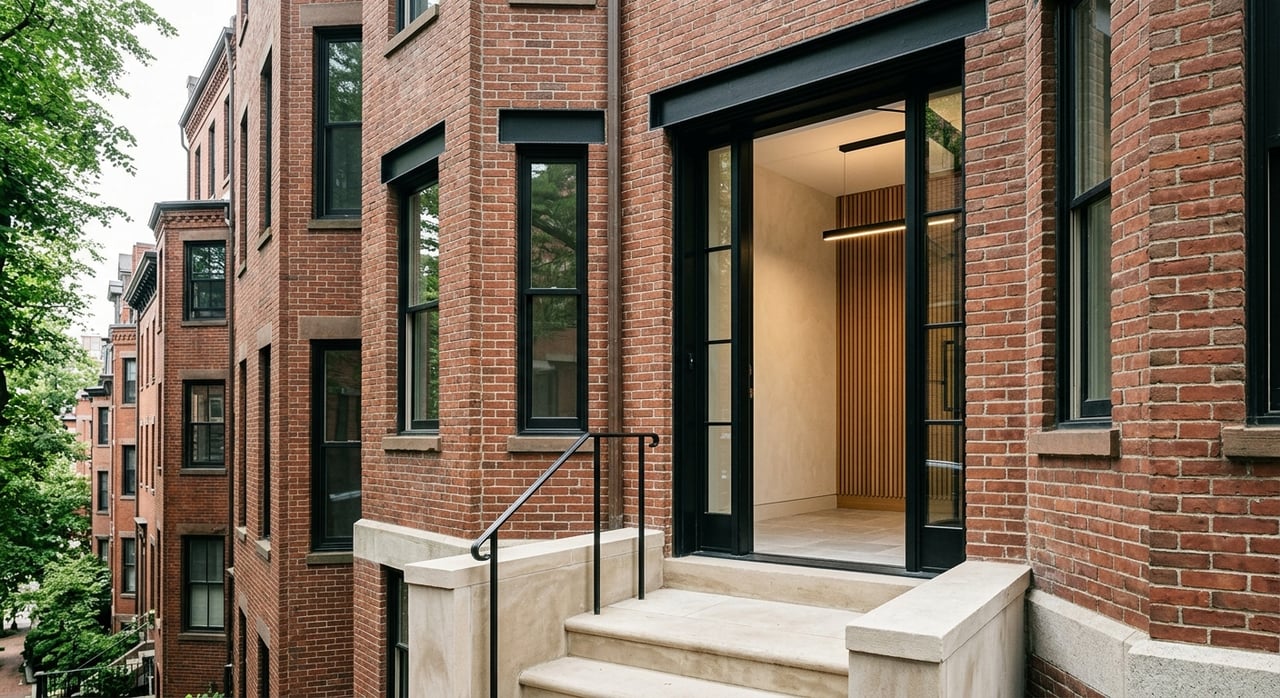
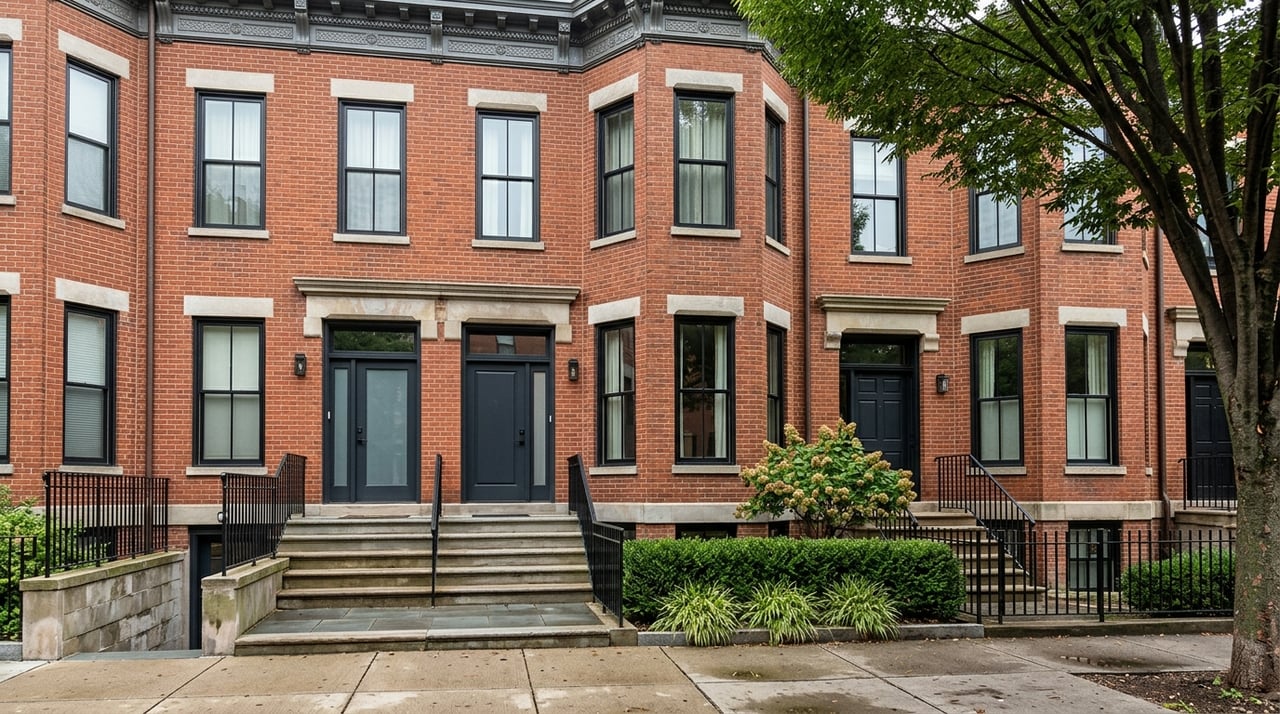
A Brooklyn brownstone block is not just one house. It is usually a rowhouse street where the homes read as a continuous architectural set, with repeating stoops, iron fences, brownstone bases, brick upper facades, stone trim, and cornices.
That visual consistency matters because it shapes how the block feels day to day. The sidewalk, stoop, and areaway create the public edge of the home, so the street itself becomes part of the living experience.
In many parts of Brooklyn, this look is protected by historic district rules. The New York City Landmarks Preservation Commission describes historic districts as collections of buildings that create a distinct sense of place, and exterior changes in those districts generally require commission approval.
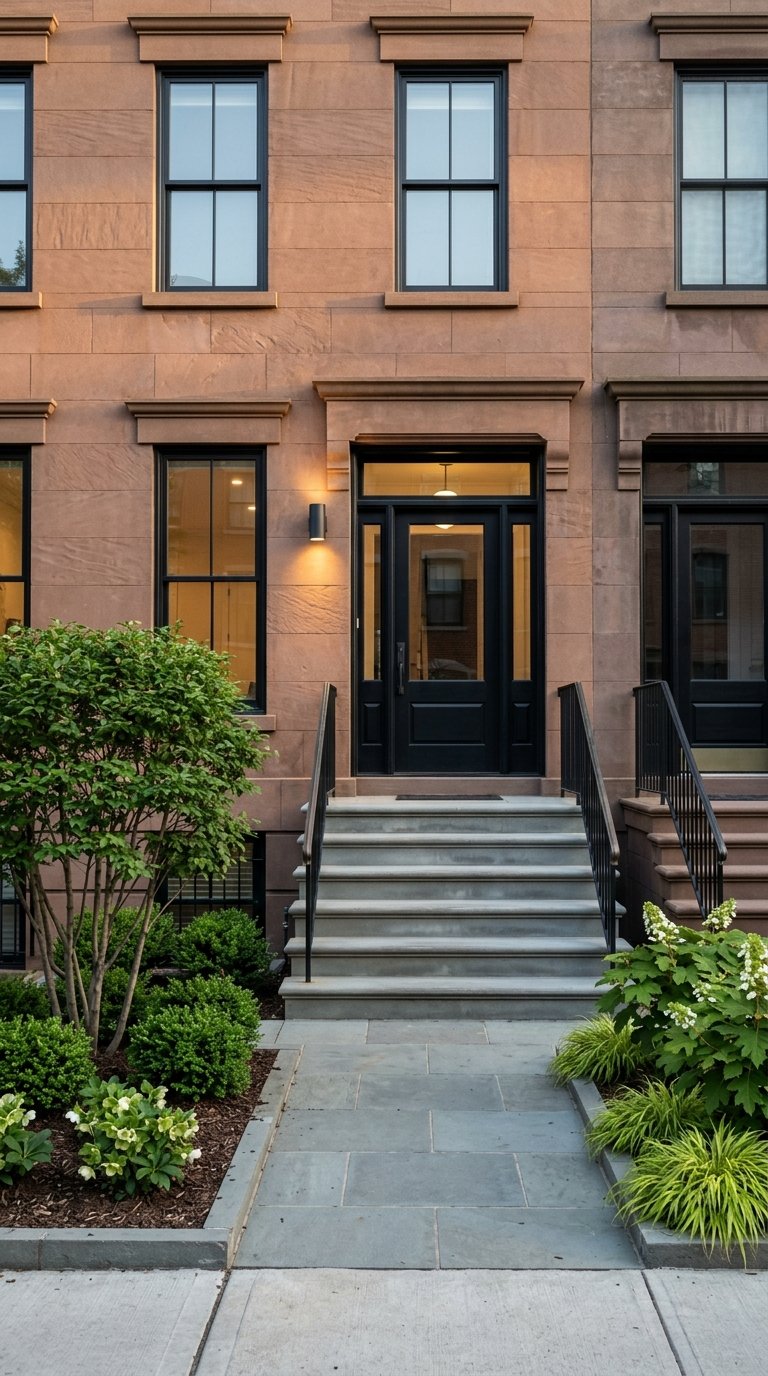
One of the defining features of brownstone living is the stoop. It creates a clear threshold between public and private space, which gives the home a different feel than a high-rise with a lobby or a suburban house with a front driveway.
That threshold changes how you move through the day. You are more connected to the sidewalk, the cross streets, and the nearby commercial avenues where errands, coffee runs, and neighborhood routines tend to happen.
Brownstone blocks are usually quiet residential streets, while most of the activity gathers on the main corridors nearby. In New York City, Business Improvement Districts help maintain and promote commercial districts, often adding sanitation services and organizing events that support local business activity.
On a brownstone block, everyday life is often neighborhood-scaled. Instead of relying on a car for every outing, your routine can revolve around short walks to shops, services, parks, and transit.
That does not mean every block is the same. Some feel closely tied to busy avenues, while others have a more tucked-away rhythm, but the underlying pattern is similar: sidewalk first, destination second.
This is one of the biggest differences from suburban living. You typically trade more private yard and driveway space for easier access to retail corridors, public parks, and a stronger sense of street-level continuity.
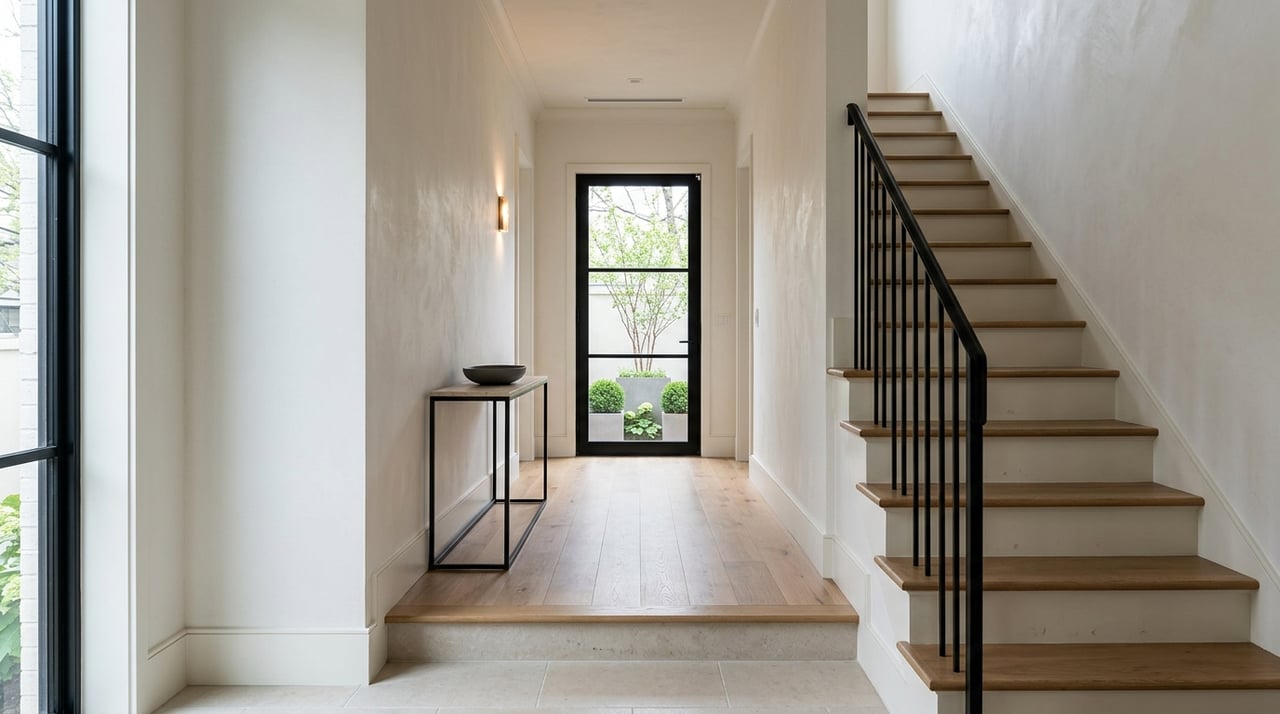
If you are considering a brownstone, the layout is just as important as the address. Traditional rowhouses were often entered at the parlor level from a stoop, with two rooms deep and a side stair hall, while the dining room was often in the raised basement.
Later American Basement layouts moved the main entry to street level. That change shifted circulation and gave the first floor more full-width living space.
The practical takeaway is simple: brownstone living is vertical. You are not just buying square footage. You are buying a room hierarchy, a staircase-driven routine, and a home where each level may serve a different purpose.
In many brownstones, the parlor level feels more formal. Lower levels often handle more utilitarian functions, while upper floors tend to feel more private.
That layered layout can be appealing if you want separation between entertaining, daily tasks, and bedrooms. It can also feel very different from the more compressed, single-level flow of many condos.
This is one of the most important practical points for buyers. In a brownstone, stairs are not an occasional feature. They are part of daily circulation.
That can be a plus if you value defined spaces and the classic townhouse feel. It is simply something to assess honestly when comparing brownstones to elevator buildings, walk-up apartments, or suburban homes.
Many Brooklyn brownstones have evolved over the years. The Landmarks Preservation Commission notes that historic rowhouses were often altered, including changes to entrances and facades.
That history helps explain why two homes on the same block can feel very different inside, even when the street looks visually consistent from the outside. Buyers should expect character, but also variety in how these homes have been adapted over time.
For sellers, this matters too. A brownstone is often best understood not only by its size, but by how its layout, entry sequence, and updates work in everyday life.
A major reason brownstone neighborhoods feel so livable is their connection to public outdoor space. In Brooklyn, parks and greenways are not just occasional amenities. They often become part of your weekly rhythm.
Prospect Park is a 585-acre park designed by Olmsted and Vaux, with more than 10 million visits a year. It includes seven playgrounds, Brooklyn’s only lake, and Brooklyn’s last remaining forest.
Brooklyn Botanic Garden adds a different kind of outdoor experience. It spans 52 acres and has entrances on Eastern Parkway, Flatbush Avenue, and Washington Avenue, making it an accessible destination tied closely to everyday Brooklyn life.
For waterfront access, Brooklyn Bridge Park stretches 1.3 miles along the East River across 85 acres. It sits beside Brooklyn Heights and DUMBO and recommends walking, biking, or public transportation because parking is very limited.
This is part of what makes the brownstone lifestyle distinct. Your day can move easily from the stoop to the sidewalk, then to a park, a commercial corridor, or the waterfront without feeling like you need a full outing plan.
For some buyers, that flexibility is a major advantage over both high-rise and suburban routines. You may have less private outdoor space, but far more access to public space that supports daily use.
Brownstone living and high-rise living can both work well, but they offer very different experiences. In a high-rise, your transition from home to city is usually mediated by a lobby, elevator, and building staff structure.
In a brownstone, that transition happens at the stoop and sidewalk. The experience feels more immediate, more street-connected, and often more personal in scale.
This can appeal to buyers who want architectural character and a neighborhood-centered routine. It may be less appealing if your priority is elevator convenience or a more managed building environment.
Compared with suburban life, brownstone blocks usually offer less private yard space and less room for driveways or car-centered routines. What you gain instead is walkability, architectural continuity, and closer access to retail corridors and major public green space.
That tradeoff is often the heart of the decision. If you value being able to step outside and plug into the neighborhood quickly, brownstone living can be a strong fit.
If you are buying or selling in Brooklyn, understanding that tradeoff matters because it helps you evaluate value in practical terms, not just visual terms. The right move comes down to how you want to live every day.
When a brownstone block feels unusually cohesive, that is often not accidental. In historic districts, exterior changes generally require review, which helps preserve the visual continuity of the streetscape.
That consistency is part of what many buyers respond to right away. It supports a sense of place that can be hard to replicate in newer housing types.
For sellers, that same consistency can also strengthen how a home is perceived within the context of the block. Buyers are often responding to both the property and the street as a whole.
If you are buying on a Brooklyn brownstone block, focus on the daily mechanics of the home as much as the charm. Pay attention to entry layout, stairs, level-to-level flow, and how the home connects to the sidewalk and nearby commercial corridors.
If you are selling, remember that buyers are often weighing the full lifestyle package. The architecture, the block rhythm, the park access, and the walkable routine all help define value.
A strong strategy starts with clear positioning and realistic expectations. In a housing type this distinct, details matter.
If you want practical guidance on buying or selling a townhouse, condo, or other residential property in Brooklyn, Darren Desrameaux can help you evaluate the market, position your next move, and execute a smooth closing.
Stay up to date on the latest real estate trends.
Looking for a passionate agent or a new opportunity? Let’s work together. Whether you're a client or a future agent—Darren is ready to help you grow.