Prewar Versus New Construction Homes In Queens
If you are deciding between a prewar home and a new construction home in Queens, you are not just choosing a style. You are choosing how you want to live day to day, what kind of maintenance you can handle, and what costs you want to carry over time. In a borough with both classic older buildings and major new development, it helps to look past the finishes and focus on function. Let’s dive in.
Queens is one of the most useful places in New York City to compare prewar and new construction homes because you can find both in a meaningful way. Much of the city’s housing was built in the first half of the twentieth century, but recent housing growth has also been concentrated in transit-accessible neighborhoods, including parts of Queens.
That makes this a real-world decision for buyers, not just a design preference. Long Island City remains a major growth corridor, the Jamaica Neighborhood Plan was adopted in 2025, and broader city planning efforts are expected to support more housing over the next 15 years.
In New York City real estate, prewar usually means a building constructed before World War II. The term also has a practical local meaning because the NYC Rent Guidelines Board uses a pre-1947 definition for certain building classifications with six or more units built before February 1, 1947.
For you as a buyer, that matters because prewar is not just marketing language. It often signals a different building type, a different ownership structure, and a different set of maintenance questions.
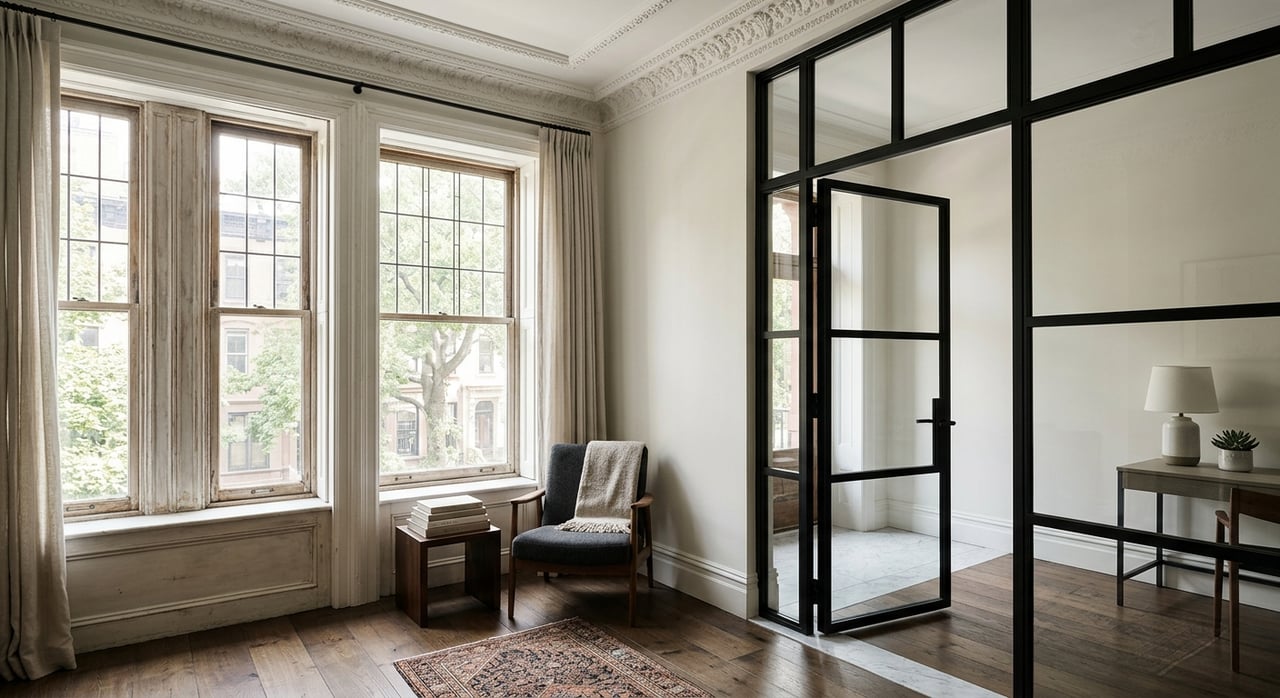
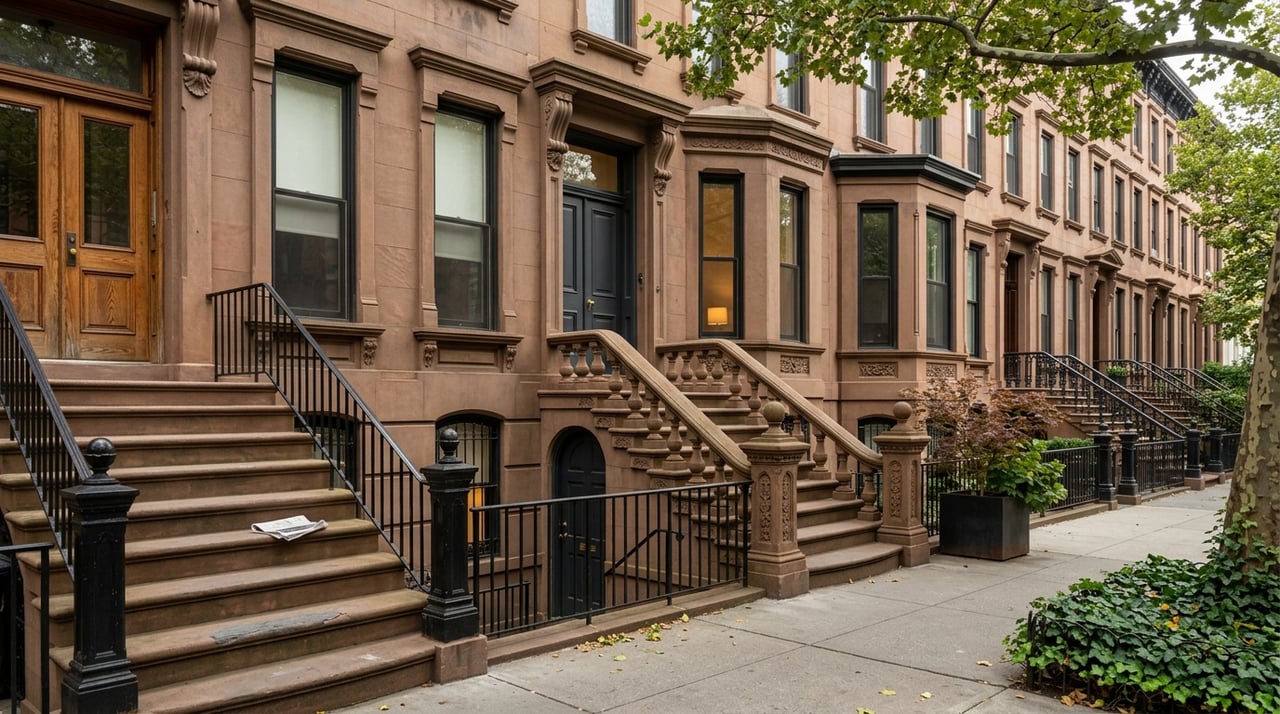
Prewar homes in Queens often stand out for their proportions and detail. You may see higher ceilings, larger rooms, foyers, separate dining areas, detailed woodwork, crown moldings, plaster details, and large windows.
These homes can also feel more substantial. Some buyers notice a quieter and heavier feel from plaster walls and poured concrete floors, although that can vary based on the original construction and whether the building has been altered over time.
The same features that give prewar homes character can come with compromises. Kitchens and bathrooms are often smaller, closet space may be tighter, and features like central air or in-unit washer-dryers are generally less common than in newer buildings.
In Queens, many prewar apartments are also co-ops rather than condos. That means board approval, house rules, and financing structure may play a big role in whether the apartment fits your goals.
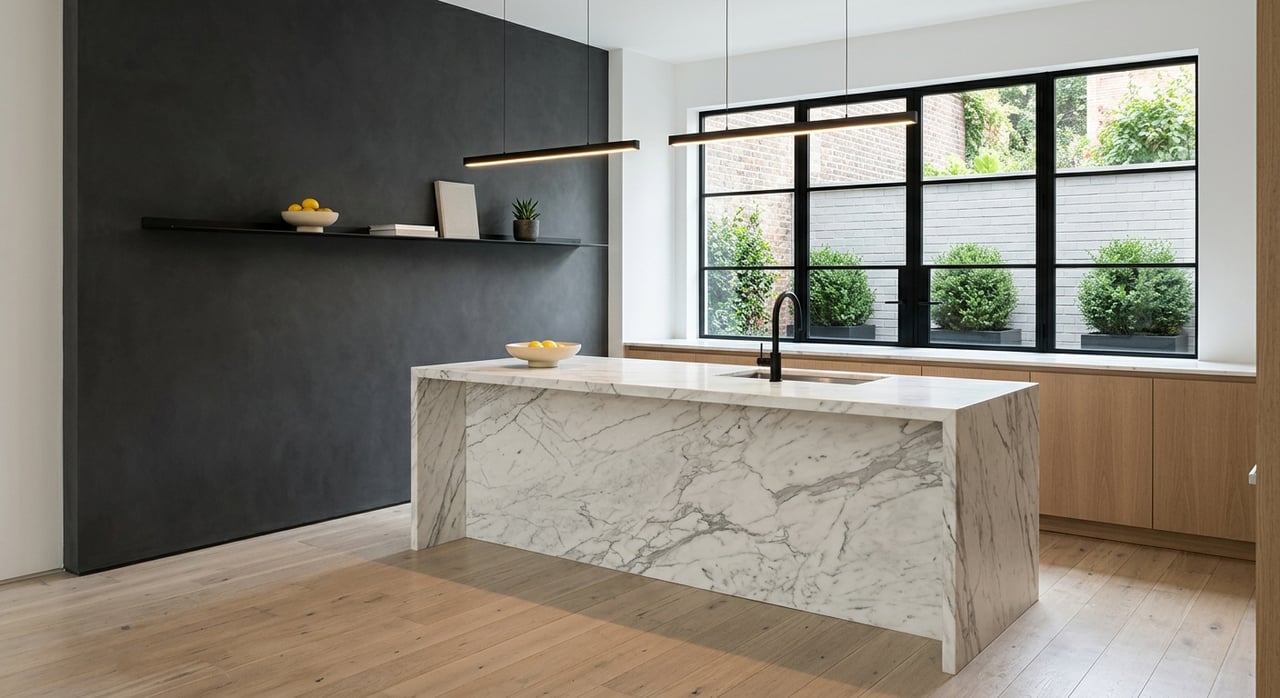
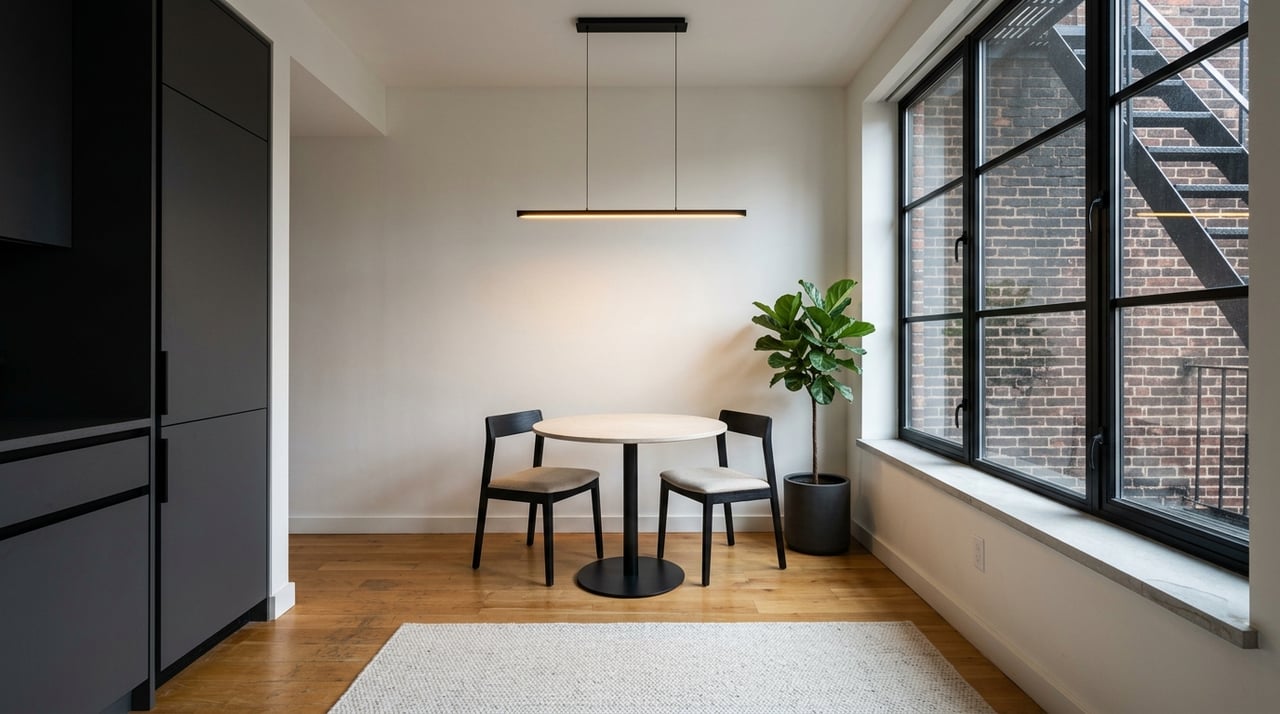
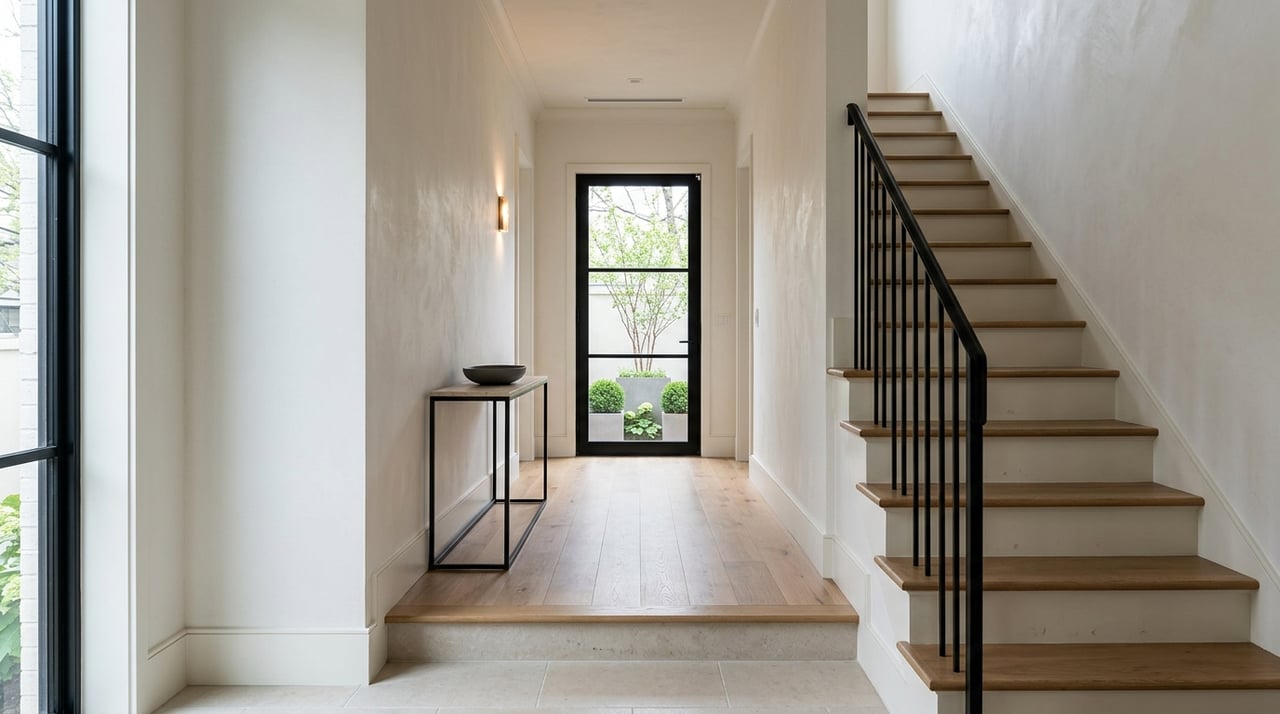
New construction in Queens usually means a recently completed building or one still being delivered. These homes often emphasize modern layouts and current building systems over historic detail.
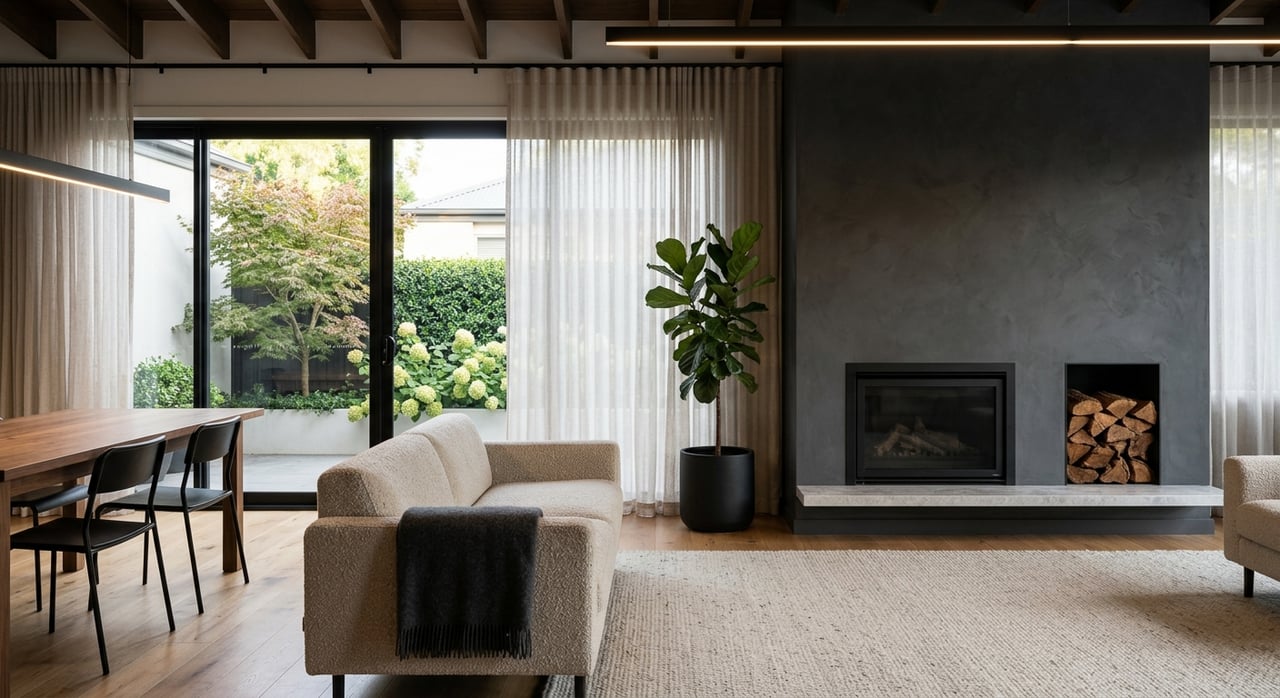
You will commonly see open kitchens, large windows, amenity spaces, and layouts designed to accommodate washer-dryers. In many cases, the open-plan design helps the space feel larger, even if the actual square footage is not dramatically bigger.
A major reason buyers choose new construction is efficiency. New York City’s Energy Code requires new buildings to meet standards for insulation, windows, heating, ventilation, air conditioning, hot water equipment, lighting, and power systems.
City guidance also emphasizes air sealing and moisture protection. In practical terms, newer homes often feel tighter and more energy efficient than older stock.
New does not mean perfect. While newer buildings may offer lower near-term maintenance and a more turnkey setup, amenities can increase common charges.
It is also common for newly completed buildings to work through early-stage issues. Some buyers may encounter construction defects, punch-list items, or sponsor-control questions in the first few years.
Your choices in Queens are shaped by supply as much as by taste. Recent housing growth has been concentrated in transit-accessible neighborhoods, and Queens remains a major part of that story.
Long Island City is one of the borough’s biggest growth areas, with official planning proposals calling for nearly 14,700 new homes through OneLIC. In Southeast Queens, the adopted Jamaica Neighborhood Plan is expected to deliver nearly 12,000 new homes.
What that means for you is simple. If you are shopping in parts of Queens with active development, you may have more new construction options and more side-by-side comparisons to make. In more established sections with older housing stock, prewar homes may dominate the market and shape pricing expectations.
The right choice often comes down to how you want your home to function, not which era sounds better on paper. A prewar home may suit you if you care most about room scale, separation between spaces, and original architectural character.
A new construction home may make more sense if you want contemporary layouts, newer systems, and building amenities. Neither is automatically the better investment or the better lifestyle choice. The better fit depends on your routine, your budget, and your tolerance for maintenance.
Prewar may be the stronger fit if you value:
If you are comfortable asking more questions about building systems and ongoing upkeep, prewar can be a very smart choice in Queens.
New construction may be the stronger fit if you value:
If you want a more turnkey experience and a building designed around current codes, newer inventory may be the better match.
In Queens, this decision is often less about age and more about condition and cost structure. A beautiful prewar apartment can become frustrating if the building has deferred maintenance or outdated systems. A sleek new condo can also lose appeal if the monthly charges stretch your budget.
That is why carrying costs matter as much as the purchase price. You need to understand what you are paying each month, what repairs may be coming, and how the building is managed.
If you are considering a prewar home, ask clear questions about the building’s major systems. Focus on what has actually been updated, not just what looks attractive during a showing.
Key questions include:
These questions matter because many older New York City multifamily buildings still rely on steam heating systems, and in pre-1960 buildings, lead-paint compliance can remain an important ownership issue.
If you are considering new construction, look past the model finishes and ask how the building operates in real life. A polished lobby does not tell you enough about the monthly cost structure or early-stage building performance.
Key questions include:
If you are torn between the two, use a practical filter. Think about your commute, your storage needs, your monthly comfort zone, and how much unpredictability you are willing to absorb after closing.
Then look at the building type itself. In Queens, the best home is usually the one that supports your daily life with the fewest friction points, whether that means a well-run prewar co-op or a newer condo with higher monthly charges but less immediate maintenance.
Prewar homes in Queens usually appeal to buyers who want character, larger room scale, and details that are hard to reproduce today. New construction homes usually appeal to buyers who want modern layouts, efficient systems, and a more turnkey setup.
The smarter move is not choosing an age category. It is choosing the building condition, ownership structure, and cost profile that you can manage confidently. If you want help comparing options in Queens and executing a smooth purchase, Darren Desrameaux can help you evaluate the tradeoffs and move with clarity.
Stay up to date on the latest real estate trends.
Looking for a passionate agent or a new opportunity? Let’s work together. Whether you're a client or a future agent—Darren is ready to help you grow.